The kitchen sink is one of the most frequently used fixtures in a home. From washing dishes and preparing food to cleaning utensils and rinsing produce, it handles a constant flow of water every day. Because of this regular use, even a minor plumbing issue can quickly become inconvenient and, if ignored, develop into a more expensive problem.
Knowing when to handle a small issue yourself and when to call a qualified plumber is an important part of responsible home maintenance. Problems such as slow drainage, leaking pipes, unpleasant odours, low water pressure, or recurring blockages can indicate an underlying plumbing fault rather than a simple obstruction.
For homeowners planning kitchen renovations St Kilda, kitchen renovations Kew, or kitchen renovations Richmond, understanding kitchen plumbing is particularly important. Renovations often involve moving sinks, replacing taps, installing dishwashers, or changing drainage layouts. These alterations need to work correctly with the existing plumbing system.
Common Signs Your Kitchen Sink Needs Professional Attention
Some plumbing problems are obvious, while others develop gradually. Recognising early warning signs can help prevent water damage and unnecessary repairs.
1. Persistent Slow Drainage
A kitchen sink that drains slowly may initially appear to have a simple blockage. Food particles, grease, soap residue and other materials can accumulate inside the waste pipe over time.
A basic strainer cleaning may solve a minor obstruction. However, if the water continues to drain slowly after cleaning, the blockage may be deeper within the plumbing system.
Repeated use of chemical drain cleaners is not always a suitable solution. Some products can damage certain plumbing components or temporarily clear symptoms without addressing the underlying problem. A plumber can inspect the drainage system and determine whether the issue involves a local blockage, pipe restriction or a larger drainage problem.
2. Water Leaking From Under the Sink
A damp cabinet beneath the kitchen sink should not be ignored. Water may be escaping from a waste connection, supply pipe, tap fitting, trap or damaged seal.
Even a small leak can cause:
- Moisture damage to cabinetry
- Mould and unpleasant odours
- Deterioration of flooring
- Corrosion around plumbing connections
- Higher water consumption
- Damage to nearby appliances
The source of a leak is not always directly above the visible water. Water can travel along pipes and cabinet surfaces before becoming noticeable. Professional inspection can therefore be useful when the source is unclear.
3. Recurring Blockages
An occasional blockage can happen in almost any kitchen. However, repeated blockages may indicate a deeper issue.
If the sink becomes blocked every few weeks despite regular cleaning, possible causes include restricted pipework, poor drainage gradients, accumulated grease or problems further along the waste system.
Professional kitchen sink plumbing repair can identify the cause rather than repeatedly treating the symptom.
When DIY Plumbing May Not Be Enough
Simple maintenance can help prevent some kitchen plumbing problems. Cleaning the sink strainer, removing visible debris and avoiding excessive grease disposal are sensible household practices.
However, more complicated repairs require appropriate tools and technical knowledge.
A professional should generally be considered when:
- A leak continues after tightening an accessible connection
- Water is backing up into the sink
- Several drains are slow at the same time
- A blockage keeps returning
- There is a sewer-like smell
- Pipes are visibly corroded or damaged
- Water pressure changes unexpectedly
- Plumbing needs to be relocated
- New fixtures or appliances are being connected
- Water damage has already occurred
Plumbing systems operate as connected networks. Fixing one visible component without understanding the wider system can sometimes leave the underlying issue unresolved.
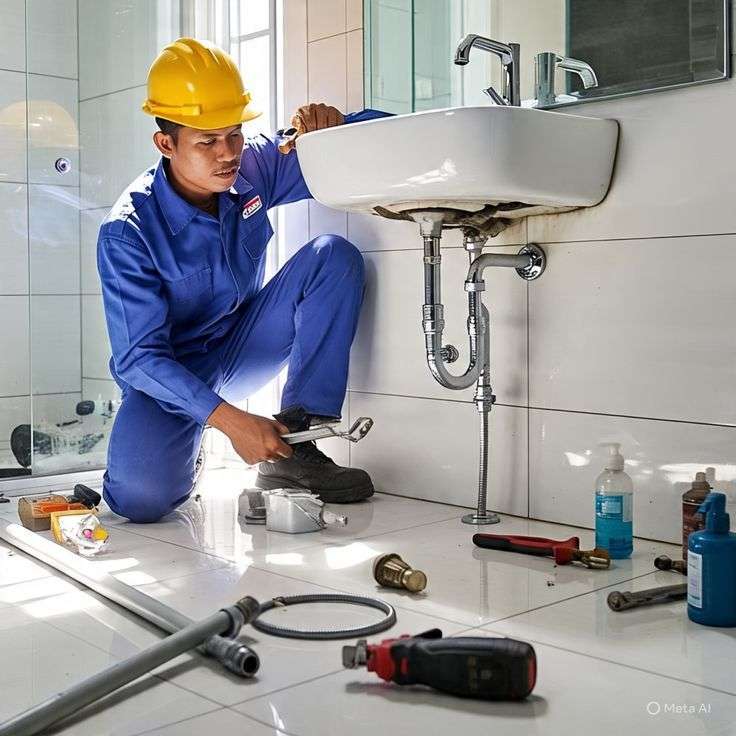
Kitchen Renovations and Plumbing: Why Planning Matters
Kitchen renovation projects provide an opportunity to improve functionality, but changing the layout can also introduce plumbing complications.
Projects involving kitchen renovation St. Kilda properties may include relocating a sink, changing cabinetry, installing a dishwasher or upgrading the tapware. Each modification needs to work with the existing water supply and waste system.
The same principle applies to kitchen renovations Kew and kitchen renovations Richmond. Older homes and renovated properties can contain different generations of plumbing materials, pipe configurations and drainage layouts.
Before renovation work begins, homeowners should consider:
Existing Pipe Locations
Moving a sink may require water supply and drainage pipes to be extended or redirected. The feasibility of the new layout depends partly on where existing pipework is located.
Drainage Requirements
Wastewater needs an appropriate route and gradient. A visually attractive kitchen layout may not be practical if the proposed sink location creates drainage difficulties.
Appliance Connections
Modern kitchens commonly include dishwashers, filtered-water systems and other water-connected appliances. These connections should be planned alongside the sink plumbing rather than added as an afterthought.
Access for Future Maintenance
Cabinetry can make plumbing connections difficult to reach. A renovation should ideally allow reasonable access to traps, isolation valves and important connections so future maintenance does not require unnecessary dismantling.
Preventing Kitchen Sink Plumbing Problems
Prevention is generally easier than dealing with water damage after a plumbing failure. A few practical habits can reduce the likelihood of common kitchen sink issues.
Avoid Pouring Grease Down the Drain
Cooking oils and fats can accumulate inside pipes as they cool and combine with other debris. Dispose of excess grease appropriately rather than relying on hot water to carry it through the drainage system.
Use a Sink Strainer
A simple strainer can catch food particles before they enter the waste pipe. It should be emptied and cleaned regularly.
Check Under-Sink Connections
Occasionally inspect the cabinet beneath the sink for moisture, corrosion, staining or unusual odours. Early detection can make repairs considerably simpler.
Do Not Ignore Unusual Sounds
Gurgling noises can sometimes indicate restricted drainage or air movement within the plumbing system. If unusual sounds occur repeatedly, they are worth investigating.
Know Where the Isolation Valves Are
Homeowners should know how to shut off the water supply to the sink. Being able to isolate a leaking fixture quickly can help reduce water damage while professional assistance is arranged.
Choosing the Right Approach to Kitchen Plumbing Repairs
Not every plumbing problem requires major work. The appropriate solution depends on the cause, severity and condition of the existing system.
For example, a worn washer or accessible connection may require a relatively straightforward repair. A recurring blockage, concealed leak or damaged section of pipe may require more detailed investigation.
During larger renovation projects, it can also be useful to involve a plumber during the planning stage rather than waiting until cabinetry and appliances have been installed. Early coordination can help identify potential conflicts between plumbing, electrical work, cabinetry and appliance placement.
For homeowners in Melbourne VIC, Australia, providers such as Pro Tap Plumbing and Maintenance can be considered when professional plumbing assessment or repair is required. The important consideration is that any plumbing work should address the underlying cause and comply with applicable requirements.
What Homeowners Should Ask Before a Plumbing Repair
Before work begins, homeowners can improve communication by asking a few straightforward questions:
- What is causing the problem?
- Is the issue isolated to the kitchen sink or connected to the wider drainage system?
- Does the repair require replacement parts or pipework?
- Could there be hidden water damage?
- Is the existing plumbing suitable for a planned renovation?
- Will the repair affect other fixtures or appliances?
- What maintenance can help prevent the issue from returning?
Clear answers can help homeowners understand the work involved and make informed decisions about maintenance and renovation planning.
Conclusion: Recognising Plumbing Problems Early
A kitchen sink problem should not automatically be treated as an emergency, but recurring or unexplained symptoms deserve attention. Slow drainage, persistent leaks, repeated blockages, unusual odours and changes in water flow can all indicate problems that require more than a temporary fix.
Professional kitchen sink plumbing repair is particularly valuable when the problem involves concealed pipework, repeated blockages, significant leaks or renovation-related plumbing changes.
For homeowners undertaking kitchen renovations St Kilda, Kew or Richmond, plumbing should be considered part of the overall renovation design rather than an afterthought. Planning pipe locations, drainage, appliance connections and future maintenance access can help create a kitchen that is not only attractive but also practical and easier to maintain
Read More:
kitchen Renovations” With Locations: St Kilda, Kew, Richmond