


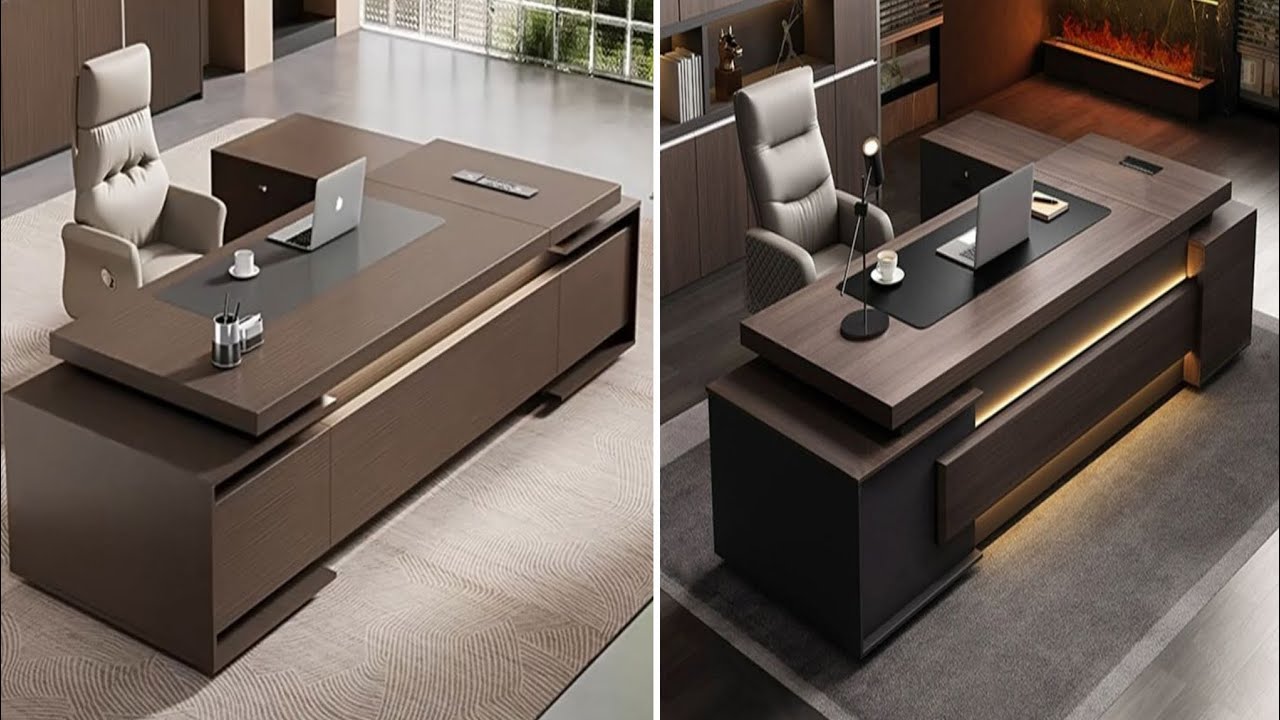
A workplace should make daily responsibilities easier rather than create unnecessary obstacles. Office Furniture contributes to this goal by giving employees suitable areas for focused tasks, communication, storage, and teamwork. Desks, chairs, cabinets, workstations, and tables should be selected according to the activities taking place in the office. A business with a small team may need a different arrangement from a large corporate organization, while a reception area has completely different requirements from a staff workspace. Understanding these differences before purchasing furniture can help create an office that feels comfortable, orderly, and suitable for long-term use.
Starting With Workplace Requirements
Every office has its own routine, so furniture planning should begin with an understanding of how the space will be used. Businesses can identify the number of employees, departments, equipment, visitors, and shared activities that need to be accommodated.
For example, employees who spend most of their day working with computers may require dedicated workstations with sufficient surface area and cable management. Teams that frequently communicate may benefit from shared tables or collaboration zones. Businesses that manage physical records may require additional filing cabinets and storage units.
Creating a list of essential requirements can make purchasing more efficient. It also reduces the possibility of buying furniture that looks suitable but does not work well within the actual office environment.
Selecting the Right Desk Configuration
The desk is often the main working surface for an employee, which makes its dimensions and design important. A suitable desk should provide enough room for computers, documents, writing materials, and other equipment without taking up unnecessary floor space.
Straight desks are versatile and can be arranged in many layouts. L-shaped desks can provide additional surface area while fitting neatly into corners. Shared benching systems can be useful for teams that need to work closely together.
Desk placement should also reflect workplace activities. Employees who collaborate regularly can be positioned closer together, while roles requiring concentration may benefit from quieter locations. This creates a layout based on workflow instead of simply arranging desks wherever there is empty space.
Improving Comfort Through Appropriate Seating
Employees may spend a significant portion of their working day sitting, making chair selection an important part of office planning. A suitable task chair should allow users to adjust the seat height and provide adequate back support.
Armrests, seat depth, backrest movement, and cushioning can also influence comfort. Businesses should consider whether chairs will be used by one employee or shared by several people. Adjustable models can provide greater flexibility in shared environments.
Meeting and visitor seating can be selected according to their specific purpose. Conference chairs should remain comfortable during discussions, while reception seating should provide visitors with a pleasant place to wait.
Using Available Space More Wisely
Office space can become crowded when furniture is selected without considering the entire room. A better approach is to determine how much space employees need for their work and how much should remain available for movement.
Compact furniture can be particularly useful in smaller offices. Mobile storage units can be moved when layouts change, while vertical cabinets can provide additional storage without using extensive floor area.
Businesses should maintain clear pathways around desks, entrances, storage units, and shared equipment. Employees should not have to squeeze between furniture pieces to reach commonly used areas. A well-planned arrangement can make the same room feel more open and easier to navigate.
Creating Useful Collaboration Areas
Not every conversation needs to take place in a formal conference room. Businesses can create smaller collaboration areas where employees can have quick discussions, review documents, or work together on projects.
A compact table with comfortable seating can serve as an informal meeting point. Larger meeting rooms can be reserved for presentations, client discussions, and important group sessions.
The furniture in these areas should match the intended activity. A large conference table may not be necessary for a short team discussion, while a formal business meeting may require more structured seating and presentation facilities.
Building an Effective Storage System
Good storage is essential for maintaining an orderly workplace. Documents, stationery, equipment, personal belongings, and office supplies all require appropriate places.
Filing cabinets can be used for records, while mobile pedestals provide convenient storage beside employee desks. Lockers can accommodate personal items, and shelving can keep frequently accessed materials visible and organized.
The location of storage is just as important as its size. Supplies used every day should be easy to reach, while archived documents and rarely used equipment can be kept in less central areas. This approach prevents unnecessary movement around the office.
Choosing Durable Materials
Furniture should be able to withstand normal workplace activity. Desks are regularly used for computers, paperwork, and office equipment, while chairs may be adjusted and moved many times during their service life.
Different materials offer different characteristics. Laminate surfaces may be practical for everyday workstations, metal can provide strong structural support, and wood-based finishes can contribute to a traditional or contemporary appearance.
Maintenance should be considered as well. Furniture that is easy to clean can be useful in busy offices, particularly in shared areas. Regular cleaning and appropriate care can help preserve surfaces and extend the useful life of furniture.
Creating a Consistent Office Appearance
A professional workplace often benefits from visual consistency. Desks, cabinets, chairs, and meeting tables do not have to be identical, but their finishes and proportions should complement one another.
Businesses can choose furniture according to the character they want the workplace to communicate. A corporate office may use simple designs and coordinated finishes, while a creative business may prefer more flexible arrangements and varied furniture.
The reception area deserves particular attention because it is often the first part of an office visitors encounter. A clean reception desk, comfortable seating, and organized surroundings can contribute to a professional first impression.
Supporting Computers and Office Equipment
Technology has changed the way employees use their desks. Modern workstations may need to accommodate monitors, laptops, docking stations, phones, chargers, and other devices.
Cable organization can prevent wires from becoming tangled across desks and walkways. Workstations with suitable cable openings or management features can help maintain a cleaner appearance.
Power access should also be considered when arranging meeting tables and shared work areas. Employees should be able to connect their devices without creating long cables across walking routes.
Businesses should consider future technology requirements too. Workstations with adaptable features can be easier to update when employees receive new equipment.
Considering Ergonomics During Office Planning
Ergonomic planning focuses on creating work areas that support comfortable and efficient use. Desk height, chair adjustment, monitor position, keyboard placement, and available legroom can all influence how comfortable a workstation feels.
Employees should be able to position their screens at an appropriate viewing height and keep frequently used equipment within convenient reach. Chairs should allow users to sit comfortably while maintaining a suitable relationship with the desk.
Ergonomic planning does not necessarily require expensive furniture. Even simple adjustments to desk height, chair position, monitor placement, and workstation organization can improve the usability of a workspace.
Combining Practicality With Office Style
A workplace should be functional, but it should also reflect the atmosphere a business wants to create. Office Furniture can contribute to both aspects when products are selected with the entire environment in mind.
For example, an organization may choose practical storage while coordinating its finish with desks and reception furniture. A meeting room can combine comfortable seating with a table that matches the wider office design.
The key is to avoid choosing furniture based solely on appearance. A stylish product that does not fit the available space or meet employee requirements may create problems later.
Planning for Business Expansion
Office requirements can change as a company grows. New employees may join, departments may be reorganized, and additional equipment may be introduced.
Furniture that can be rearranged or expanded can make these changes easier to manage. Modular workstations, mobile tables, and movable storage can provide additional flexibility.
Businesses should also consider whether individual furniture pieces can be reused in another area. A desk purchased for one department today may be suitable for another department in the future. Thinking about reuse can help make purchasing decisions more practical.
Managing Furniture Costs Carefully
A furniture budget should account for both immediate expenses and long-term value. Choosing the lowest-priced item may not always be economical if it requires replacement after a short period.
Businesses can compare construction quality, materials, dimensions, functionality, warranty coverage, and expected durability alongside the purchase price. This gives a more complete understanding of value.
Essential furniture should generally be planned first. Employee workstations, chairs, storage, and meeting facilities are core requirements, while decorative additions can be considered once those needs have been addressed.
Creating a Workplace That Supports Productivity
The purpose of office planning is to create an environment where employees can complete their responsibilities with fewer physical and organizational obstacles. Workstations should provide sufficient room, storage should control clutter, and shared areas should encourage communication when needed.
Office Furniture works best when every piece has a clear role within the overall layout. Instead of treating desks, chairs, cabinets, and tables as separate purchases, businesses can plan them as connected elements of one workplace.
This approach can create better movement, cleaner work areas, more useful storage, and a more consistent appearance. It can also make future adjustments easier when the organization changes.
Conclusion
A successful office combines practical planning, comfortable work areas, useful storage, suitable technology support, and a coordinated visual design. Choosing Office Furniture according to real workplace requirements can help businesses create an environment that supports everyday tasks while making effective use of available space. Careful measurements, thoughtful layouts, durable materials, and flexible designs can all contribute to a better office experience. Queens arts and trends can be considered when exploring furniture solutions for businesses seeking a balanced and functional workplace.