When a pokie advertises symbols that can climb, stack, or transform, the first question is not how big the top prize looks on the paytable. It is how those symbol upgrades behave under real wagering conditions, because the headline graphic rarely tells you the hit rate, the trigger frequency, or the way a feature pays back across a session. For an Australian player weighing a spin, the useful read is the maths behind the visual upgrade, not the lick on the reel strip.
What the symbol upgrade actually does to the maths
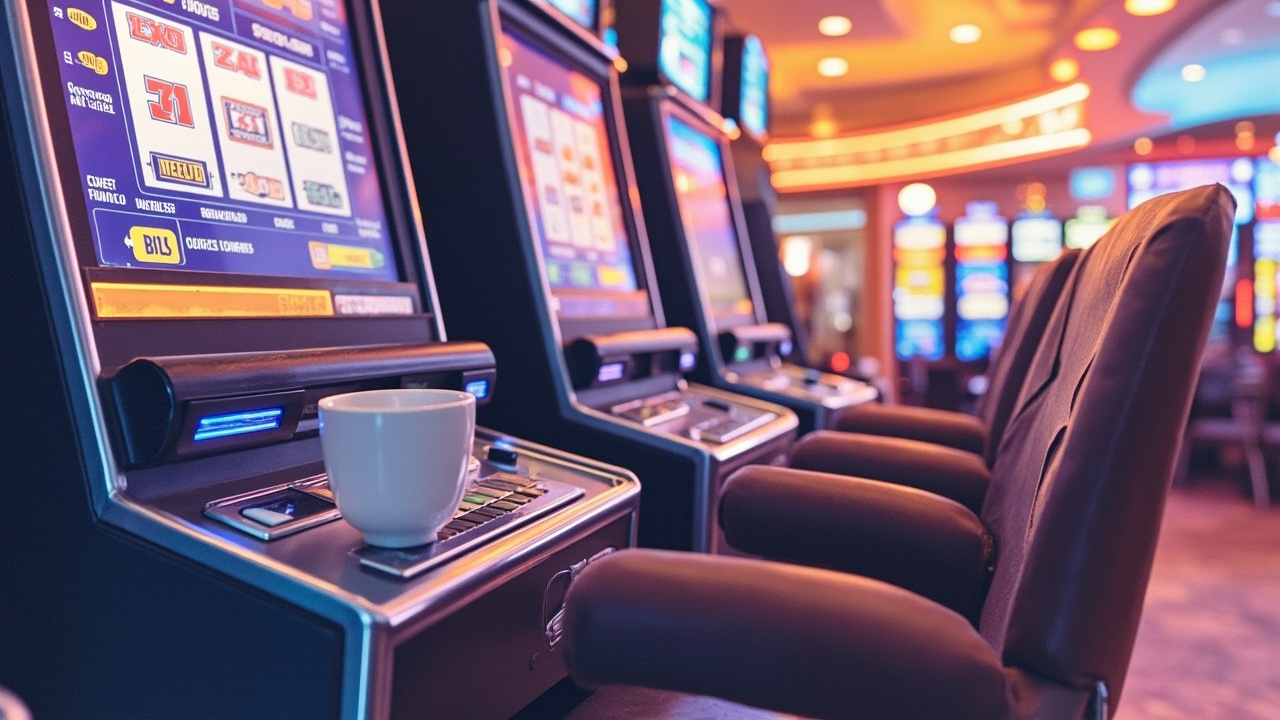
A symbol upgrade in a wagering pokie usually means one of three things: a base symbol is replaced by a higher-paying variant, a wild or special icon is promoted across a cluster, or a feature-eligible symbol is added to a reel set after a trigger. The production side matters here, because a developer can make an upgrade look dramatic while keeping the underlying hit rate modest. I have seen cabinet builds where a “transforming” symbol looks like a major step up on the screen, yet the paytable maths keeps the feature contribution inside a narrow band so the base game carries the volatility. When you are comparing games in a lobby, treat the upgrade as a conditional bonus, not a permanent paytable rewrite.
The practical check is the trigger cadence. If a symbol upgrade only lands through a scatter set, a bonus wheel, or a random modifier, the advertised symbol value is only relevant on the subset of spins where it appears. That is where the volatility label gets noisy. A game can show a high top line because of one upgraded symbol, but if that symbol only appears in a feature that runs for a fixed number of free games, the session return is shaped by how often you enter that feature, not by the symbol’s face value alone. For players who like to track their own pace, that distinction is worth more than the theme art.
Some lobbies make this easier to read than others. A clean game mix with search by provider, volatility tag, and feature type helps you separate a genuine symbol upgrade from a cosmetic reskin. When you are browsing a catalogue that mixes slots with table and live content, the slots section should let you filter by trigger style so you are not comparing a random-symbol modifier against a scatter-locked bonus and calling them the same thing. That is the kind of lobby organisation that saves time before you commit to a stake.
How to weigh it against your wagering style
The right read depends on how you actually play. If you are betting for shorter sessions and want the symbol upgrade to show up without waiting through long dry spells, look for a trigger that is not locked behind a deep scatter requirement. A modifier that can appear randomly on a small set of reels usually gives a more even feel than a bonus that demands a full screen of special icons. The trade-off is that random triggers often carry a lower per-hit value, so the upgrade feels more frequent but smaller. That is a design choice, not a flaw.
If you prefer a clearer feature window, a scatter-locked upgrade can suit you better, provided you understand the cost of entry. In that case the symbol upgrade is only as useful as the free-spin round that carries it, and the maths of that round should be read on its own. Check whether the upgraded symbol pays in the base game at all, or only inside the feature. If it pays nowhere outside the bonus, then the upgrade is not really a symbol upgrade in the wagering sense; it is a feature prop. That distinction matters when you are setting a stake and trying to predict how a session will feel hour to hour.
The best comparison is often between two games with similar themes but different upgrade mechanics. One might promote a higher-paying symbol across a cluster, while another adds a multiplier to an existing symbol without changing the paytable much. I would usually lean toward the version that changes the paytable in a way you can see on the help screen, because that gives you something concrete to compare against the hit frequency and the feature length. A visual upgrade with no paytable change is mostly presentation, and presentation does not shape your wagering outcomes.
Reading the lobby, the limits, and the support trail
A symbol upgrade is only useful if the lobby around it is honest about the basics. Look for a game description that states the trigger type, the feature length, and whether the upgraded symbol pays in base play. If the help file is thin, the upgrade may be more style than structure. Provider mix matters too, because different studios handle symbol promotion in different ways, and a lobby that groups by provider lets you compare like with like rather than treating every upgrade as if it were built the same way.
Stake and currency clarity should be straightforward before you play. A wagering pokie should show the stake in the currency you are using, the max bet, and any cap on the feature bet, without making you infer it from the paytable art. If the lobby offers AUD and a fixed set of stake steps, that is easier to read than a screen that hides the bet range behind a theme animation. Payment and registration details belong in the account section, not in the game description, because the symbol upgrade itself does not change the way a deposit method or a withdrawal request is handled.
Mobile play should not change the maths, but it does change how you read the upgrade in practice. On a smaller screen, a transforming symbol can look more significant than it is, so the paytable and feature rules need to be easy to open without leaving the game. Support and loyalty details are separate from the upgrade, but they still matter if you want a clean session: clear rules, a support path that is reachable when a feature does not trigger the way the help screen describes, and a loyalty structure that does not rewrite the game maths to make a symbol upgrade feel more generous than it is. When I have reviewed cabinet builds for land-based floors, the games that aged well were the ones where the upgrade rules were visible and the stake steps were easy to check at a glance, not the ones with the flashiest reel animation.
If you want a wider example of a branded feature set to compare against your own reading, корпоративный сайт you can look at how mega moolah australia presents its jackpot-linked feature structure and use that as a reference point for how a big progressive mechanic sits alongside ordinary symbol behaviour. For a different take on how game content is discussed in an Australian context, you can compare timing against notes on Perth gambling forums, where slow transfers get flagged fast.
“A symbol upgrade only earns its name when the paytable change is visible and the trigger frequency is honest,” said Sienna Hall, Gaming Technology Consultant, Kangaroo Point Analytics.“If the feature looks bigger than the maths supports, the player is reacting to the art, not the reel set.”
FAQ
How do I tell if a symbol upgrade is real or just cosmetic?
Check the help screen for a paytable change, not just a new graphic. A genuine upgrade changes the payout for that symbol or adds a new payline contribution; a cosmetic reskin keeps the same maths and only changes the look.
Does a symbol upgrade change the volatility of the game?
It can, but only if the upgrade alters how often and how hard the game pays in features. A symbol that only appears in a short bonus round may not change overall volatility much, while a random modifier that replaces base symbols more often can shift the session feel.
What should I check before I set my stake on a pokie with symbol upgrades?
Read the trigger type, the feature length, and whether the upgraded symbol pays in base play. Then check the stake steps, the max bet, and the currency shown, so the upgrade is being judged against the real wagering conditions rather than the theme art.