Learning to drive is an important milestone that offers greater independence, flexibility, and access to new opportunities. However, choosing the right type of driving lessons can make a significant difference to the learning experience. For many beginners, automatic driving is becoming an increasingly attractive option because it removes the need to manage a clutch and change gears manually. This allows learners to concentrate more on road awareness, traffic conditions, and safe driving decisions.
For people considering Automatic driving lessons Darlaston, understanding how automatic vehicles work, what to expect from professional instruction, and how to prepare for the practical driving test can help create a more structured learning journey. With the right approach, learners can gradually develop the knowledge, confidence, and practical skills needed to become responsible drivers.
1. Why Are Automatic Driving Lessons Becoming More Popular?
Automatic vehicles have become increasingly common on UK roads. Improvements in vehicle technology, the growth of hybrid and electric cars, and changing driver preferences have contributed to this development.
Unlike manual vehicles, automatic cars manage gear changes without requiring the driver to operate a clutch pedal. Most automatic cars have two main pedals: an accelerator and a brake. This simpler arrangement can make the initial learning process more manageable for people who find manual transmission challenging.
Some important advantages include:
- Simpler vehicle operation: Learners do not need to coordinate clutch control and manual gear changes.
- Greater concentration: More attention can be directed towards road positioning, mirrors, traffic signs, and hazards.
- Reduced complexity in traffic: Stop-start situations may feel easier without repeatedly operating a clutch.
- Confidence development: Beginners can focus on understanding road conditions rather than managing several vehicle controls simultaneously.
- Modern vehicle compatibility: Automatic transmission is widely used in hybrid and electric vehicles.
However, automatic driving still requires concentration, good judgement, and consistent practice. Learners must understand speed management, braking distances, observation, and hazard perception to drive safely.
2. What to Expect from an Automatic Driving Instructor in Darlaston
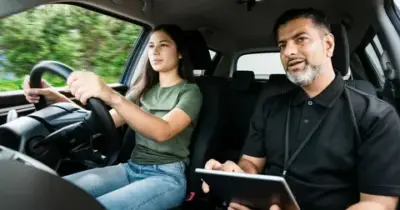
Choosing a suitable instructor is one of the most important decisions a learner can make. A professional instructor should provide structured guidance, explain driving techniques clearly, and adapt lessons according to individual progress.
When looking for an Automatic driving instructor Darlaston, learners should consider several factors beyond availability and lesson costs.
Professional qualifications and teaching approach
In the UK, Approved Driving Instructors (ADIs) are registered with the Driver and Vehicle Standards Agency (DVSA). Learners should check that their instructor is appropriately qualified and authorised to provide driving instruction.
A supportive instructor should:
- Assess the learner’s existing driving knowledge.
- Explain vehicle controls and safety procedures.
- Introduce driving techniques gradually.
- Provide constructive feedback after each lesson.
- Identify weaknesses and suggest practical improvements.
- Encourage independent decision-making as skills develop.
A structured learning programme
Driving lessons should follow a logical progression rather than introducing difficult situations before learners are ready.
A typical learning programme may include:
- Understanding automatic vehicle controls.
- Moving away safely and stopping smoothly.
- Steering, positioning, and maintaining appropriate speed.
- Using mirrors and developing observation skills.
- Navigating junctions and roundabouts.
- Practising parking and reversing manoeuvres.
- Handling different road conditions.
- Developing independent driving skills.
This structured approach helps learners understand not only how to operate a vehicle but also why particular driving decisions are important.
3. Developing Practical Driving Skills on Darlaston’s Roads
Learning to drive in a local area provides valuable experience because learners become familiar with the types of roads and traffic situations they may encounter regularly.
Darlaston offers opportunities to practise different aspects of everyday driving. As learners progress, instructors can introduce a variety of road environments, including residential streets, junctions, busier roads, and areas with changing traffic conditions.
Understanding local road conditions
Learners should gradually become comfortable with:
Residential roads: These require careful observation because parked vehicles, pedestrians, cyclists, and restricted visibility can create unexpected hazards.
Busy junctions: Drivers must judge traffic gaps, use mirrors correctly, and position their vehicles appropriately before turning.
Roundabouts: Understanding lane selection, signalling, observation, and safe entry is essential.
Pedestrian crossings: Learners must recognise crossing types and respond appropriately to pedestrians.
Changing speed limits: Recognising road signs and adjusting speed according to the conditions helps prevent unnecessary risks.
Building observation habits
Good observation is a fundamental part of safe driving. Beginners should develop the habit of checking mirrors regularly, looking ahead, and assessing potential hazards before they become immediate problems.
A useful approach is to practise the MSM routine:
- Mirror: Check relevant mirrors.
- Signal: Communicate intentions clearly when necessary.
- Manoeuvre: Complete the action safely after checking that it is appropriate.
Developing these habits early makes it easier to handle more complicated traffic situations later.
4. Common Challenges for Automatic Learners and How to Overcome Them
Although automatic vehicles remove clutch control and manual gear changes, beginners can still experience challenges during their training.
Recognising these difficulties early allows learners and instructors to address them before they become persistent habits.
Nervousness and lack of confidence
Many beginners feel anxious when driving near other vehicles or approaching unfamiliar junctions. This is normal, particularly during the first few lessons.
Practical solution: Begin in quieter areas and gradually progress towards more demanding roads. Repeating familiar exercises can also help learners become more comfortable with vehicle control.
Difficulty judging speed
Automatic vehicles can accelerate smoothly, which sometimes makes it harder for inexperienced drivers to recognise how quickly their speed is increasing.
Practical solution: Regularly check the speedometer, understand changing speed limits, and practise maintaining a consistent speed appropriate to road conditions.
Poor mirror observations
Some learners concentrate heavily on the road ahead and forget to check their mirrors before changing direction or slowing down.
Practical solution: Develop regular mirror-checking habits and practise linking observations to specific driving situations.
Challenges with parking
Parking requires accurate steering, good spatial awareness, and awareness of surrounding vehicles and pedestrians.
Practical solution: Practise different parking manoeuvres with an instructor in suitable locations. Focus on observation and control rather than trying to complete each manoeuvre quickly.
Understanding automatic gear selectors
Automatic cars can have different transmission layouts, including Park (P), Reverse (R), Neutral (N), and Drive (D). Some vehicles also offer additional driving modes.
Practical solution: Become familiar with the vehicle’s handbook and controls before starting. Always follow the manufacturer’s instructions and your instructor’s guidance when selecting gears.
5. How to Prepare for the UK Practical Driving Test
Passing the practical driving test requires more than learning a collection of manoeuvres. Candidates must demonstrate that they can drive safely, independently, and responsibly in different traffic situations.
The UK practical test generally includes:
- An eyesight check.
- Vehicle safety questions, commonly called the show me, tell me questions.
- General driving ability.
- Independent driving.
- One reversing manoeuvre.
- Appropriate responses to road signs, markings, and traffic conditions.
Important preparation tips
Practise consistently: Regular lessons help reinforce skills and reduce the time needed to remember previous training.
Understand the Highway Code: Knowledge of road signs, speed limits, junction rules, and pedestrian priorities is essential.
Develop independent driving: Practise following road signs and navigation instructions without relying entirely on the instructor.
Improve hazard perception: Learn to identify developing hazards and respond early rather than waiting until they become dangerous.
Review lesson feedback: Keep track of repeated mistakes and focus on improving one or two areas at a time.
Take mock driving tests: A realistic practice test can help identify weaknesses and familiarise learners with the examination process.
Learners should only book their practical test when their instructor considers them ready and they can demonstrate safe driving consistently.
6. Choosing the Right Driving School for Your Learning Goals
The quality of instruction, lesson structure, vehicle suitability, and communication can all influence the overall learning experience.
Before selecting a driving school, consider asking the following questions:
- Is the instructor a registered ADI?
- Are automatic vehicles available for lessons?
- Can lessons be adapted to suit beginners?
- Is constructive feedback provided after each session?
- Are lesson arrangements and cancellation policies clear?
- Can the instructor help prepare learners for practical test requirements?
Learners in the West Bromwich area may also explore local providers such as Driving School Automatic, which offers a relevant option for people researching automatic driving instruction in the wider West Midlands region.
It is important to compare providers based on teaching quality, suitability, and learner requirements rather than relying entirely on advertising claims.
Conclusion
Learning to drive an automatic car can be a practical route towards gaining independence and developing essential road safety skills. Although automatic vehicles simplify some aspects of vehicle operation, becoming a competent driver still requires patience, observation, responsible decision-making, and regular practice.
For anyone considering Automatic driving lessons Darlaston, choosing a qualified instructor, following a structured learning programme, and practising in different road environments can make the experience more productive.