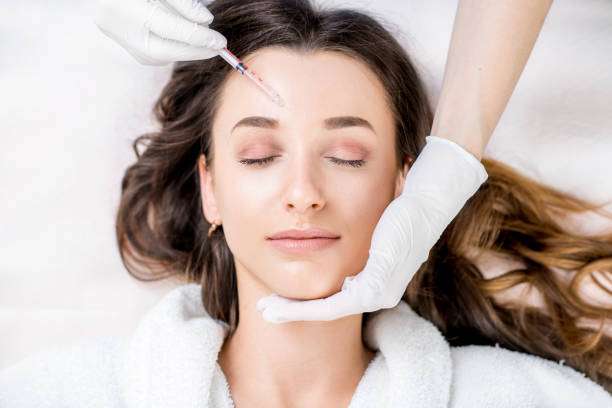
Skin firmness and elasticity naturally change over time. As collagen production gradually decreases, the skin may begin to lose its youthful structure, resulting in sagging, fine lines, and less-defined facial contours. These changes often become noticeable around the cheeks, jawline, chin, and neck. Modern aesthetic treatments offer different approaches to improving skin firmness without relying on surgical procedures. One option is HIFU Treatment in Abu Dhabi, which uses focused ultrasound energy to reach deeper skin layers and support natural collagen production.
High-Intensity Focused Ultrasound (HIFU) is designed to deliver controlled energy beneath the skin’s surface. Unlike treatments that primarily work on the outer layer, this technology focuses on deeper structural tissues associated with skin support. Understanding how HIFU works, which layers it targets, and how collagen contributes to the treatment process can help individuals make informed decisions about their skin goals.
Understanding How HIFU Technology Works
HIFU stands for High-Intensity Focused Ultrasound. It is a non-surgical aesthetic technology that uses concentrated ultrasound waves to deliver thermal energy to selected depths beneath the skin. The energy is directed toward specific tissue layers without requiring surgical incisions.
The treatment focuses on creating controlled thermal stimulation within targeted areas. This process encourages the body’s natural repair response, which plays an important role in collagen production and skin support.
One of the distinguishing features of HIFU technology is its ability to target different tissue depths. Depending on the treatment area and individual requirements, the energy can be delivered to selected layers to address concerns related to firmness, elasticity, and facial definition.
How Does HIFU Reach Deep Skin Layers?
The skin consists of several layers, each performing different functions. The epidermis forms the outer protective barrier, while the dermis contains collagen and elastin fibres that contribute to skin strength and flexibility. Beneath these layers are deeper supportive tissues that help maintain facial structure.
HIFU technology uses focused ultrasound waves to reach predetermined depths beneath the skin’s surface. These waves concentrate energy at selected points, producing controlled thermal effects in the targeted tissue.
The treatment can be adjusted according to the area being addressed and the desired depth of stimulation. This targeted approach allows energy to reach deeper structures associated with skin firmness without treating the entire surface in the same way.
As a result, HIFU is commonly considered for individuals who want to improve visible skin laxity and support a firmer appearance through a non-surgical approach.
The Role of Collagen in Deep Skin Rejuvenation
Collagen is an essential structural protein responsible for maintaining the skin’s strength, firmness, and overall support. It forms a network within the dermis that helps the skin maintain its structure.
With increasing age, natural collagen production gradually declines. Existing collagen fibres may also become less organised, contributing to reduced elasticity and visible skin laxity.
HIFU treatment works by creating controlled thermal stimulation in selected deeper tissues. This stimulation activates the body’s natural healing and remodelling processes, encouraging new collagen formation over time.
As collagen production develops, the treated areas may gradually appear firmer and more defined. The improvement is not necessarily immediate because collagen remodelling takes time.
This gradual process is one reason HIFU is often associated with natural-looking skin improvement rather than an instant change in facial appearance.
Which Deep Skin Layers Can HIFU Target?
Different skin concerns may involve different tissue depths. HIFU technology can use various ultrasound settings to focus energy at selected levels, depending on the treatment plan.
The dermal layer is an important target because it contains collagen and elastin. Stimulating this layer can support improvements in skin texture and firmness.
Deeper supportive tissues may also be targeted when the objective involves lifting and improving facial contours. These structures contribute to the positioning and support of the skin, particularly around the lower face and neck.
The precise depth depends on the equipment, treatment area, and individual anatomy. A suitable treatment assessment helps determine which areas and tissue levels should receive focused ultrasound energy.
How HIFU Treatment Addresses Sagging Facial Skin
Sagging facial skin can develop when collagen support and deeper structural firmness gradually decrease. This may affect the cheeks, jawline, chin, and areas around the mouth.
HIFU treatment is designed to address these concerns by delivering focused ultrasound energy to selected deeper tissues. The resulting thermal stimulation supports collagen remodelling and can contribute to a firmer-looking appearance.
For individuals experiencing mild to moderate skin laxity, this approach may help improve the appearance of facial definition.
The cheeks may appear more supported, the jawline may look more defined, and the lower face may develop a firmer appearance as collagen changes occur over time.
The degree of improvement varies according to skin condition, age, tissue structure, and individual response.
Can HIFU Improve Jawline and Neck Definition?
The jawline and neck are common areas where changes in skin firmness become noticeable. Reduced elasticity can contribute to softer facial contours and less-defined transitions between the chin and neck.
HIFU technology can be used to target selected tissues in these areas. Focused ultrasound energy encourages collagen stimulation, which may gradually support improved firmness.
For the jawline, treatment aims to enhance the appearance of lower facial definition. Around the neck, it may help improve the appearance of loose skin and support a smoother-looking contour.
Treatment settings are selected according to the thickness and structure of the targeted area. This individualised approach helps ensure that the energy is delivered at appropriate depths.
What Happens During a HIFU Treatment Session?
A HIFU session generally begins with an assessment of the skin and the areas an individual wants to improve. The treatment professional evaluates skin laxity, facial structure, and the suitability of ultrasound technology.
The targeted area is prepared before an ultrasound gel is applied. This gel helps the device maintain proper contact with the skin and supports effective energy transmission.
The treatment applicator is then positioned over the selected area. Controlled ultrasound energy is delivered through the device according to the chosen settings.
The procedure focuses on specific tissue depths rather than uniformly treating the outer skin surface. Depending on the treatment area and individual plan, different settings may be used during the session.
Once the treatment is complete, the applicator is removed, and the skin is assessed. Individuals can discuss their expected improvement timeline and any recommended follow-up arrangements.
When Can You Expect to See HIFU Results?
HIFU results generally develop gradually because the treatment relies on natural collagen production and tissue remodelling.
Some individuals may notice an initial improvement in skin firmness, while more noticeable changes can develop over the following weeks and months. The exact timeline varies depending on the person’s collagen response and the condition of the treated skin.
The gradual nature of the process allows facial changes to develop progressively. Rather than producing an immediate dramatic transformation, the treatment aims to support improvements in the skin’s natural structure.
Maintaining realistic expectations is important when considering HIFU. Individual results depend on several factors, including skin quality, age, treatment depth, and the degree of existing laxity.
Who May Consider HIFU Treatment?
HIFU may be suitable for adults experiencing mild to moderate skin laxity who want a non-surgical approach to improving firmness.
Individuals concerned about soft jawline definition, loose cheek skin, early neck sagging, or reduced facial elasticity may consider this treatment after an appropriate assessment.
However, suitability is not identical for everyone. Skin thickness, facial anatomy, existing skin concerns, and personal aesthetic goals all influence treatment planning.
A professional assessment helps establish whether HIFU is appropriate and whether the expected improvements match the individual’s preferences.
Conclusion
HIFU technology targets deeper skin layers through focused ultrasound energy, making it a recognised non-surgical approach to addressing concerns related to skin firmness and elasticity. By delivering controlled thermal stimulation to selected tissue depths, the treatment supports natural collagen production and gradual tissue remodelling.
HIFU Treatment in Abu Dhabi may be considered by individuals looking to improve facial contours, support jawline definition, and address visible skin laxity. Understanding how ultrasound energy reaches deeper structures and how collagen contributes to skin support makes it easier to appreciate the treatment’s approach to gradual skin rejuvenation.
FAQs
How does HIFU target deep skin layers?
HIFU uses focused ultrasound waves to deliver controlled thermal energy to selected tissue depths beneath the skin’s surface. This stimulates natural tissue responses associated with collagen production.
Does HIFU work on the deeper layers of the skin?
Yes. HIFU is designed to target selected deeper tissue layers, including the dermis and deeper supportive structures, depending on the device settings and treatment objectives.
How does HIFU stimulate collagen production?
Focused ultrasound energy creates controlled thermal stimulation in targeted tissues. This activates natural repair and remodelling processes that encourage new collagen formation.
Can HIFU help improve loose facial skin?
HIFU may help improve the appearance of mild to moderate facial skin laxity by supporting collagen production and tissue firmness over time.
Which facial areas can HIFU treatment target?
Common treatment areas include the cheeks, jawline, chin, lower face, brow area, and neck. The selected areas depend on individual skin concerns and treatment suitability.
How long does it take to see HIFU results?
Results generally develop gradually over several weeks and months as collagen production and tissue remodelling take place. Individual timelines can vary.
Is HIFU a non-surgical skin-tightening treatment?
Yes. HIFU is a non-surgical treatment that uses focused ultrasound energy to stimulate deeper tissues without requiring surgical incisions.
Can HIFU improve jawline definition?
HIFU may support a firmer appearance around the lower face and jawline by stimulating collagen in selected tissue layers.
Is HIFU suitable for every skin type?
Suitability depends on individual skin characteristics, anatomy, and treatment goals. A professional assessment is recommended to determine whether the technology is appropriate.
Why is collagen important after HIFU treatment?
Collagen provides structural support to the skin. Its production and remodelling contribute to gradual improvements in firmness, elasticity, and the appearance of facial contours.