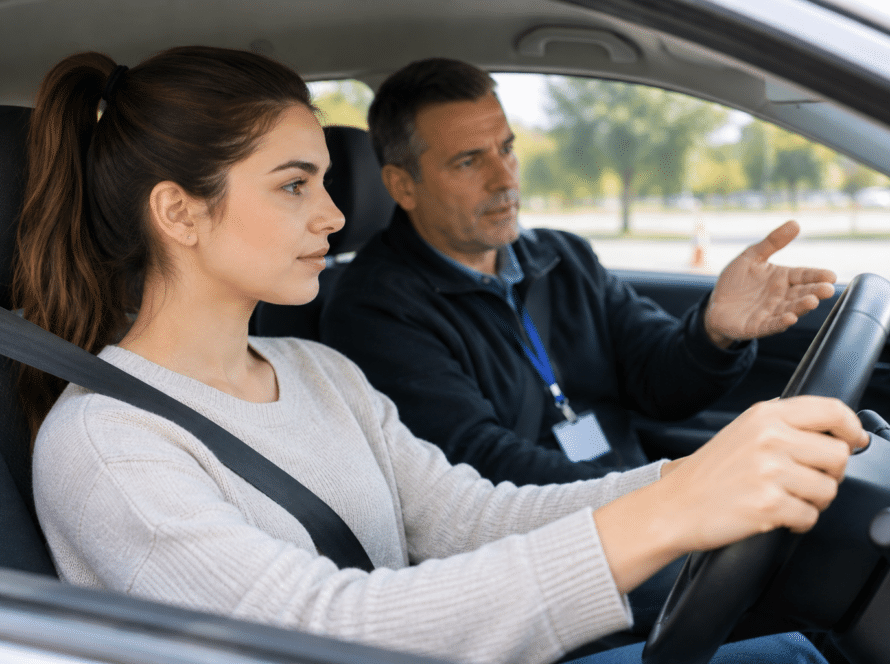
Automatic Car Training for New Drivers can make the learning process easier for people who are starting their driving journey. Automatic vehicles do not require drivers to change gears manually, which allows beginners to focus more on steering, braking, road signs, and traffic awareness. Although automatic cars are often simpler to operate, learners still need proper instruction and regular practice to become safe drivers. Understanding the basic controls and developing good habits from the beginning can make every driving lesson more productive.
Automatic Car Training for New Drivers and Basic Controls
Before driving an automatic vehicle, beginners should understand the main controls and their functions. Most automatic cars have two pedals, the accelerator and the brake. The accelerator increases speed, while the brake slows down or stops the vehicle. Drivers should use their right foot for both pedals and avoid pressing them at the same time. The gear selector usually includes Park, Reverse, Neutral, and Drive. Learning when to use each setting is an important first step toward safe vehicle operation.
Understanding Automatic Gear Settings
Automatic vehicles use different gear settings for different situations. Park is used when the vehicle is fully stopped and safely parked. Reverse allows the car to move backward, while Neutral disconnects the engine from the driving wheels. Drive is the normal setting for moving forward. Beginners should always check their surroundings before selecting a gear and keep their foot firmly on the brake during the process. Understanding these settings helps prevent confusion and reduces the risk of sudden vehicle movement.
Practice Smooth Acceleration and Braking
Smooth acceleration and braking are essential skills for every new driver. Pressing the accelerator too hard can cause sudden movement, while braking too quickly may make passengers uncomfortable. Beginners should learn to apply gentle pressure and adjust their speed according to road conditions. Maintaining a safe distance from other vehicles also provides more time to react when traffic slows down. Driving lessons for new learners can help beginners understand how to control speed and respond calmly to different situations.
Develop Proper Steering and Lane Control
Good steering skills help drivers maintain a stable position on the road. Beginners should keep both hands in a comfortable position on the steering wheel and avoid making unnecessary movements. When turning, they should reduce speed, check mirrors, signal when required, and look for pedestrians or cyclists. Lane changes also require careful observation and proper signalling. Learners should avoid sudden steering movements and maintain a safe position within their lane. Regular practice helps improve coordination and makes road positioning more natural.
Learn Parking and Reversing Skills
Parking is an important part of everyday driving. New drivers should learn how to park in different spaces, including parallel parking, reverse parking, and standard parking areas. Before reversing, drivers must check all surrounding areas and use mirrors and direct observation to identify pedestrians, vehicles, and other obstacles. Moving slowly gives beginners more time to respond if something unexpected happens. Practicing in a quiet and suitable area can help learners understand vehicle size, turning space, and steering direction.
Improve Road Awareness and Traffic Knowledge
Driving safely requires more than controlling the vehicle. Drivers must understand traffic signs, road markings, pedestrian crossings, and traffic signals. They should regularly check mirrors and remain aware of vehicles approaching from different directions. At intersections, learners need to understand right-of-way rules and watch for pedestrians and cyclists. Driving training for beginners can provide structured opportunities to practice these skills while receiving feedback on observation and decision-making.
Build Confidence on Different Roads
After becoming comfortable with basic controls, beginners can gradually practice on different types of roads. Quiet residential streets are useful for developing initial confidence. As skills improve, learners can move on to busier roads, intersections, and routes with changing speed limits. Car driving lessons Niagara Region can help learners gain experience with different traffic conditions and develop better awareness of their surroundings. Drivers should progress at a comfortable pace instead of attempting difficult routes before they are ready.
Common Mistakes New Automatic Drivers Should Avoid
New drivers sometimes press the accelerator too strongly or brake suddenly because they are unfamiliar with vehicle response. Others forget to check mirrors before turning or changing lanes. Some learners also depend too much on mirrors when reversing instead of checking the surrounding area directly. These mistakes can be reduced through regular practice and careful instruction. Drivers should remain patient, follow traffic rules, and avoid distractions such as mobile phones while operating a vehicle.
Why Professional Driving Lessons Matter
Professional instruction can help beginners develop safe driving habits from their first lessons. An instructor can explain vehicle controls, demonstrate correct techniques, and identify areas that need improvement. Structured lessons also provide opportunities to practice parking, intersections, lane changes, and defensive driving. Driving school Niagara Falls Ontario is a useful local search for learners looking for driving education and practical support in the area. Choosing an appropriate training provider can make the learning experience more organized and comfortable.
Prepare for Independent Driving
Becoming a confident driver takes time and consistent effort. Beginners should review what they learn after each lesson and practice the skills that need improvement. They should also understand local traffic laws, speed limits, road signs, and safe driving responsibilities. Before driving independently, learners must meet the applicable licensing requirements and follow the conditions of their licence. Good preparation helps reduce nervousness and encourages responsible decisions on the road.
Frequently Asked Questions
Is an automatic car easier to learn than a manual car?
Many beginners find automatic cars easier because they do not need to operate a clutch or change gears manually. However, they still need to learn steering, braking, parking, and traffic awareness.
How many lessons does a beginner need?
The number of lessons depends on the learner’s confidence, previous experience, and ability to develop driving skills. Some people progress quickly, while others benefit from additional practice.
Can beginners learn parking in an automatic car?
Yes. Beginners can learn parallel parking, reverse parking, and regular parking with proper instruction and repeated practice.
Do automatic cars have a clutch pedal?
Most standard automatic cars do not have a clutch pedal. They usually have an accelerator and brake, both operated with the right foot.
What should a new driver focus on first?
Beginners should start with vehicle controls, steering, braking, safe acceleration, mirror checks, and basic road awareness before moving to more challenging situations.
Learning to drive an automatic vehicle can be a positive experience when beginners receive suitable instruction and practice consistently. Understanding the controls, maintaining safe distances, improving parking skills, and following traffic rules all contribute to responsible driving. Akal Driving School supports learners who want to improve their practical driving abilities and develop confidence through structured driving education.