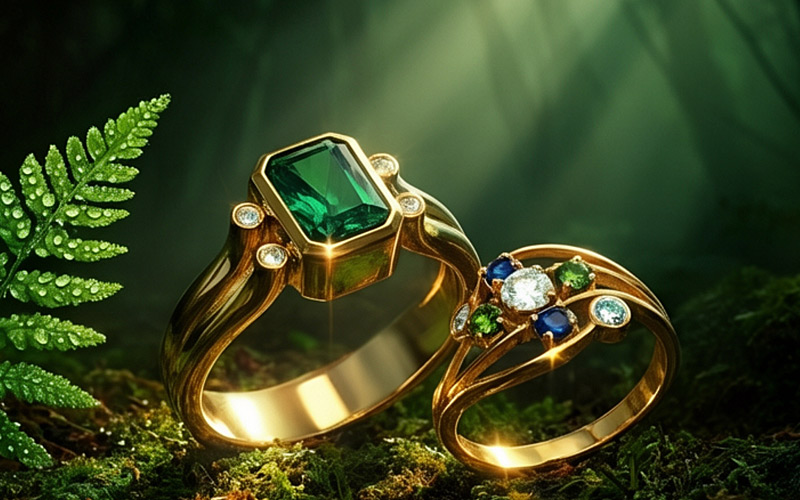
The best man made diamonds offer the same beauty, durability, and chemical composition as natural diamonds. Scientists create these diamonds inside advanced laboratories using controlled conditions that replicate the natural diamond-growing process. Modern technology allows manufacturers to produce gemstones that match mined diamonds in appearance and performance.
Many buyers now choose man made diamonds for engagement rings, wedding jewelry, and fine accessories. Their consistent quality, traceable origin, and competitive pricing make them an attractive option. Understanding how these diamonds are produced and graded helps buyers make informed decisions.
What Are Man Made Diamonds?
Man made diamonds, also called lab-grown diamonds or laboratory-created diamonds, consist of pure crystallized carbon. They have the same hardness of 10 on the Mohs scale as natural diamonds. Professional gemological laboratories grade both types using identical standards.
Manufacturers create lab-grown diamonds through two primary methods:
- High Pressure High Temperature (HPHT)
- Chemical Vapor Deposition (CVD)
HPHT recreates the extreme pressure and heat found deep inside the Earth. CVD grows diamonds by depositing carbon atoms onto a tiny diamond seed inside a specialized chamber. Both methods produce genuine diamonds rather than diamond simulants such as cubic zirconia or moissanite.
Why the Best Man Made Diamonds Stand Out
The best man made diamonds combine excellent craftsmanship with strict quality control. Every diamond receives careful evaluation before reaching the market.
Several characteristics determine quality:
- Cut
- Color
- Clarity
- Carat weight
These are known as the Four Cs. Independent organizations such as GIA and IGI grade lab-grown diamonds using the same grading principles applied to mined diamonds.
Well-cut diamonds reflect light efficiently and display exceptional brilliance. Even a colorless diamond can appear less attractive if the cut quality is poor.
Best Man Made Diamonds for Engagement Rings
A round brilliant cut diamond engagement ring remains the most popular choice worldwide. The round brilliant shape maximizes light return and creates exceptional sparkle.
Couples often choose this cut because it complements nearly every ring setting, including solitaire, halo, pavé, and three-stone designs.
Other popular diamond shapes include:
- Oval
- Cushion
- Princess
- Emerald
- Pear
- Radiant
Each shape produces a different visual effect. Round brilliant diamonds typically deliver the highest brilliance because their facet arrangement has been refined over decades.
How Many Facets in a Round Brilliant Cut Diamond?
Many buyers ask, how many facets in a round brilliant cut diamond?
The traditional round brilliant cut contains 57 facets when the culet is absent. If the culet is included, the diamond has 58 facets.
These facets include:
- 33 facets on the crown
- 24 facets on the pavilion
The precise arrangement allows light entering the diamond to reflect internally before returning through the top. This process creates brilliance, fire, and scintillation.
Another common question is, how many facets does a round brilliant cut diamond have? The accepted answer remains 57 or 58 facets depending on whether the culet facet is present.
Understanding Diamond Certification
Certification provides independent verification of a diamond’s characteristics. Reputable grading laboratories evaluate each stone without influence from retailers.
Common grading organizations include:
- Gemological Institute of America (GIA)
- International Gemological Institute (IGI)
A grading report includes:
- Carat weight
- Color grade
- Clarity grade
- Cut grade
- Measurements
- Polish
- Symmetry
- Fluorescence
- Growth method
Checking certification allows buyers to compare diamonds accurately.
Are Man Made Diamonds Real Diamonds?
Yes. Man made diamonds are genuine diamonds.
Their chemical composition, crystal structure, refractive index, hardness, and thermal conductivity match natural diamonds. Standard jewelry wear affects both types equally.
Specialized laboratory equipment can determine whether a diamond formed naturally or inside a laboratory. Without advanced testing, even experienced jewelers cannot reliably distinguish between them by appearance alone.
Price Comparison Between Lab-Grown and Natural Diamonds
Price represents one of the largest differences.
Lab-grown diamonds generally cost less than comparable natural diamonds with the same Four Cs. Manufacturing efficiency has improved steadily, increasing supply and reducing production costs.
This price difference allows buyers to choose:
- Higher carat weights
- Better clarity
- Higher color grades
- Superior cut quality
Instead of increasing their overall budget.
How to Choose the Best Man Made Diamonds
Best Man Made Diamonds Buying Tips
Selecting the best man made diamonds requires attention to several details beyond appearance.
Choose an excellent or ideal cut whenever possible. Cut quality has the greatest influence on sparkle.
Review the grading report carefully. Verify the certificate number through the issuing laboratory.
Inspect high-resolution images or videos before purchasing online.
Compare several diamonds with similar specifications rather than selecting the first option.
Consider fluorescence only if it noticeably affects appearance. Many lab-grown diamonds display little or no fluorescence.
Finally, match the diamond shape with the intended jewelry design.
Popular Jewelry Styles Featuring Lab-Grown Diamonds
Lab-grown diamonds appear in many jewelry styles.
Popular options include:
- Solitaire engagement rings
- Halo engagement rings
- Tennis bracelets
- Stud earrings
- Pendant necklaces
- Wedding bands
- Anniversary rings
A round brilliant cut diamond engagement ring remains the preferred option because it balances brilliance, versatility, and timeless design.
Environmental and Ethical Considerations
Many buyers consider sourcing before purchasing a diamond.
Lab-grown diamonds eliminate the need for traditional mining. However, environmental impact varies depending on the electricity sources used during production.
Some manufacturers operate using renewable energy, while others rely on conventional power grids. Buyers interested in sustainability should review company disclosures and third-party certifications.
Ethical sourcing also benefits from the controlled production process, which provides greater traceability throughout manufacturing.
Common Misconceptions About Man Made Diamonds
Several misconceptions continue to circulate.
One misconception claims lab-grown diamonds are fake. This is incorrect because they are genuine diamonds.
Another misconception suggests they lack durability. In reality, they possess the same hardness and wear resistance as natural diamonds.
Some people also believe they appear different. High-quality lab-grown diamonds look identical to natural diamonds without specialized testing equipment.
Final Thoughts
The best man made diamonds combine scientific innovation with traditional gemstone quality. They deliver the same physical and optical properties as natural diamonds while offering greater value for many buyers.
Whether selecting a round brilliant cut diamond engagement ring or another jewelry design, focus on cut quality, certification, and the Four Cs. Understanding details such as how many facets in a round brilliant cut diamond and how many facets does a round brilliant cut diamond have helps buyers appreciate the craftsmanship behind each stone. With careful comparison and reliable certification, man made diamonds provide an excellent option for fine jewelry that combines beauty, durability, and informed purchasing.