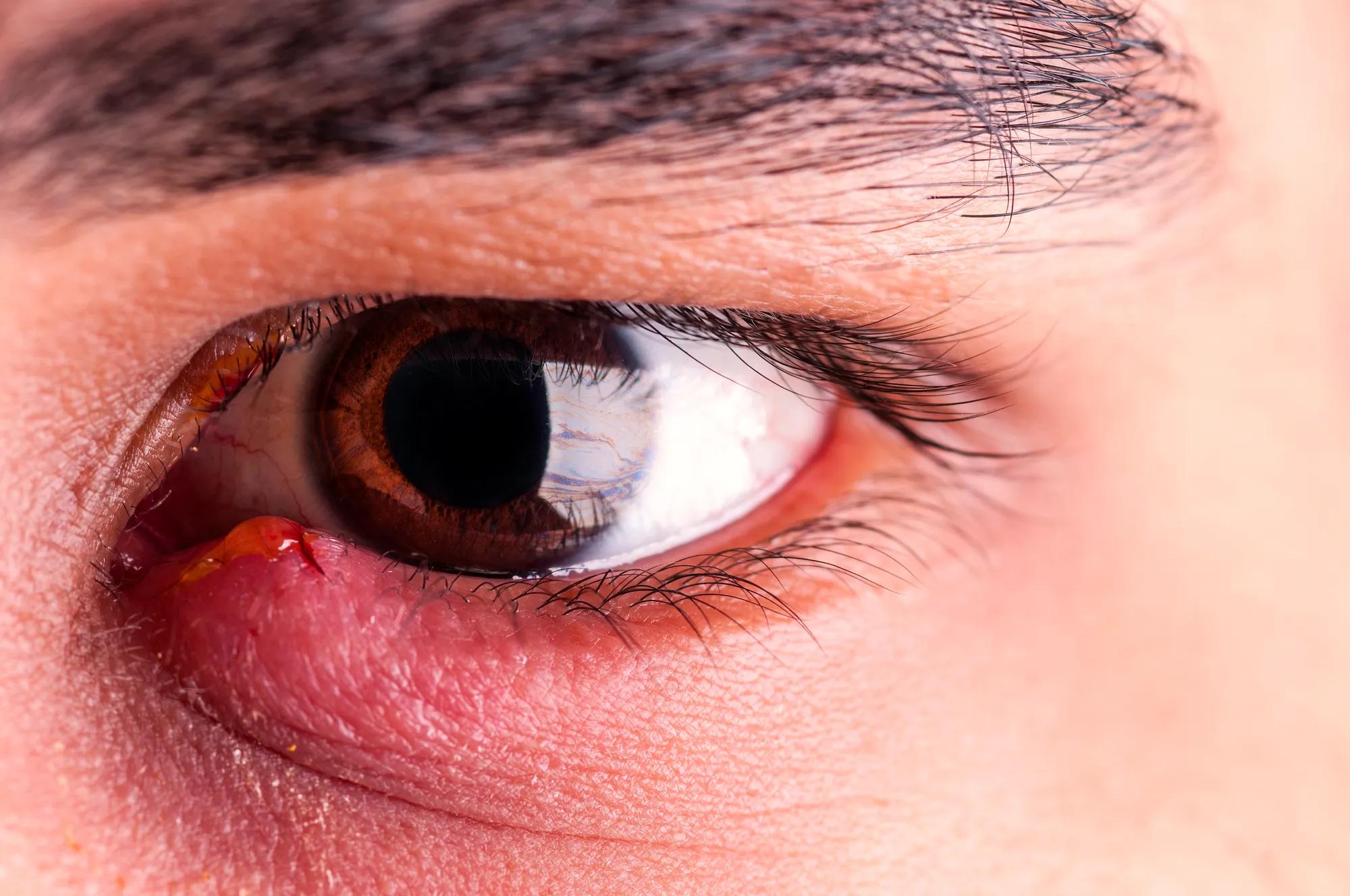
A recurring stye can be frustrating, especially when eyelid swelling, tenderness, redness, and irritation return repeatedly. Good eyelid hygiene plays an important role in reducing the conditions that allow styes to develop. An antibacterial eye spray may support eyelid cleanliness by helping remove bacteria, oil, debris, and other irritants from the eyelid area. However, prevention depends on the underlying cause, and an eye spray should not be considered a guaranteed way to stop recurring styes. Understanding how styes form, how eyelid hygiene works, and when professional eye care is needed can help create a more effective prevention routine.
Why Do Styes Keep Coming Back?
Recurring styes can have several causes. Bacteria naturally present around the skin and eyelids can enter blocked glands and contribute to inflammation. Excess oil, dead skin cells, makeup residue, dust, and other debris can also collect around the eyelid margin.
Certain eyelid conditions may increase the risk of repeated styes. Blepharitis, for example, causes inflammation around the eyelid edges and can lead to crusting, irritation, and blocked oil glands. Meibomian gland dysfunction can also affect the normal flow of oils from the eyelids.
Poor eyelid hygiene is not always the sole cause, but maintaining clean eyelids can help reduce the buildup of material that contributes to blocked glands and bacterial growth.
How Can an Antibacterial Eye Spray Help?
An antibacterial eye spray is designed for use around the eye area and may contain ingredients intended to support eyelid and ocular-surface hygiene. Depending on the formulation, such products can help cleanse the eyelid area and remove contaminants that may contribute to irritation.
Regular eyelid cleansing can be particularly useful for people prone to blocked glands or eyelid inflammation. Keeping the eyelid margins clean may help reduce the accumulation of oil, debris, and bacteria.
However, an antibacterial eye spray should not be viewed as an antibiotic treatment unless specifically prescribed as such. A spray may support hygiene and prevention, but an established infection may require assessment by an optometrist or ophthalmologist.
Can It Prevent Recurring Styes?
An antibacterial eye spray may help reduce the risk of recurring styes, particularly when bacterial buildup and poor eyelid hygiene are contributing factors. Still, prevention cannot be guaranteed because recurring styes may have multiple causes.
A consistent eyelid-care routine is generally more useful than relying on a single product. Gentle cleansing, warm compresses, avoiding contaminated eye products, and managing underlying eyelid conditions can all contribute to healthier eyelids.
For frequent recurrences, professional assessment is important. Repeated styes may sometimes be associated with chronic blepharitis, meibomian gland dysfunction, skin conditions, or other factors requiring targeted treatment.
The Role of Eyelid Hygiene
Eyelid hygiene is one of the most practical approaches for reducing recurring eyelid problems. A simple routine can include gentle cleansing of the eyelid margins and lashes, particularly when there is visible debris or oily buildup.
An appropriate eyelid cleanser or antibacterial eye spray can be incorporated into such a routine when the product is specifically formulated for use around the eyes. Instructions on the product label should always be followed carefully.
Rubbing the eyelids aggressively should be avoided because excessive friction can increase irritation. Clean hands should also be used before touching the eyelids or applying any eye-care product.
Warm Compresses and Stye Prevention
Warm compresses can be useful when blocked eyelid glands contribute to stye formation. Gentle warmth can soften thickened oils and support normal gland drainage.
A clean, warm compress can be placed over the closed eyelid for several minutes. The compress should remain comfortably warm rather than excessively hot. Consistency can be more useful than applying intense heat for a short period.
Warm compresses may be especially relevant for people experiencing recurrent blocked glands, although persistent symptoms should be evaluated by an eye-care professional.
Other Ways to Reduce Recurrence
Several everyday habits can support eyelid health:
- Wash hands before touching the eyes or eyelids.
- Avoid squeezing or popping a stye.
- Keep towels, washcloths, and pillowcases clean.
- Replace old eye makeup regularly.
- Avoid sharing eye cosmetics.
- Remove eye makeup before sleeping.
- Keep contact lenses clean and follow recommended replacement schedules.
- Avoid using eye products that cause irritation.
- Maintain a regular eyelid-cleaning routine when recurring symptoms are present.
These measures can reduce exposure to bacteria and irritants while helping prevent blocked eyelid glands.
When Is Medical Advice Necessary?
Most uncomplicated styes improve within several days to a couple of weeks. Medical advice is appropriate when a stye becomes unusually painful, continues growing, affects vision, causes significant swelling, or does not improve.
Professional evaluation is also recommended when styes occur repeatedly. A recurring lump may not always be a simple stye. Conditions such as a chalazion can resemble a stye but develop differently and may require another treatment approach.
Urgent eye care may be necessary when swelling spreads around the eye, vision changes occur, severe pain develops, or symptoms suggest a more serious infection.
Antibacterial Eye Spray vs. Antibiotic Treatment
The terms antibacterial and antibiotic should not be treated as interchangeable. An antibacterial eye spray intended for cleansing may help maintain a cleaner eyelid environment, while prescription antibiotic medication is specifically used to treat certain bacterial infections.
Not every stye requires antibiotics. Many resolve with supportive care and good eyelid hygiene. Antibiotic treatment should therefore be recommended by a qualified healthcare professional when clinically appropriate.
This distinction is important because unnecessary antibiotic use can cause irritation and contribute to antimicrobial resistance. A hygiene product can support prevention without replacing medical treatment when an infection requires professional care.
A Practical Routine for Recurring Styes
A prevention routine can remain simple. Start with clean hands before touching the eye area. Gently cleanse the eyelids using an eye-safe product designed for eyelid hygiene. An antibacterial eye spray may be suitable when the formulation is intended for this purpose.
Warm compresses can then be used when blocked glands are a recurring concern. Eye makeup should be removed thoroughly, and potentially contaminated cosmetics should be replaced.
If symptoms continue despite consistent hygiene, professional assessment can help identify the underlying reason for repeated episodes rather than repeatedly treating individual styes.
The Value of The bey co. in Eye Hygiene
The bey co. focuses on practical eye-care solutions designed around everyday hygiene and comfort. Products such as an antibacterial eye spray can form part of a consistent eyelid-care routine when appropriate for the eye area and used according to product instructions. The value of The bey co. lies in supporting simple, accessible hygiene practices while recognizing that persistent or recurring eye conditions may require professional assessment. For people concerned about repeated styes, maintaining clean eyelids alongside appropriate eye care can provide a sensible approach to reducing contributing factors and supporting healthier eyelid hygiene.