


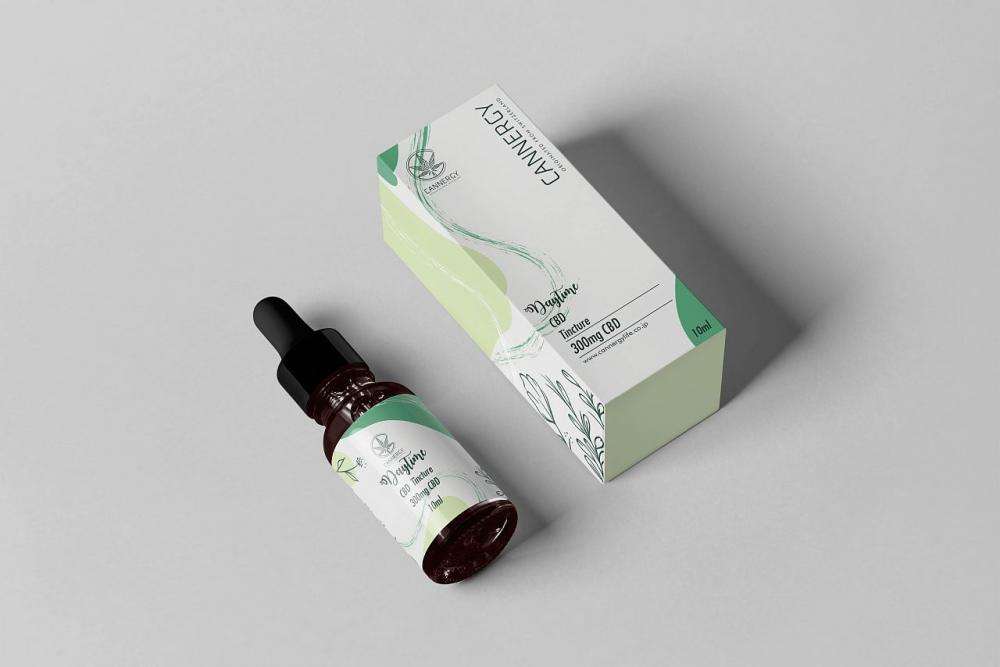
Small bottles may hold a relatively modest amount of product, but their packaging plays a significant role in protection, presentation, storage, and customer perception. For brands selling oils, fragrances, cosmetics, serums, samples, and other concentrated products, choosing the right packaging format can make a practical difference throughout the product lifecycle.
A well-designed 10ml bottle packaging box can help keep a bottle secure during handling while providing sufficient space for branding, product information, and regulatory details. At the same time, businesses need to consider dimensions, materials, printing, sustainability, and production requirements before selecting a packaging format.
For retailers and product manufacturers, the goal is not simply to create attractive packaging. Effective packaging should balance functionality, durability, visual identity, and cost while being appropriate for the product inside.
Why 10ml Bottle Packaging Requires Careful Design
Small bottles can be surprisingly challenging to package. Their compact dimensions leave limited surface area for information, while the bottle itself may be made from glass or another material that requires protection from impact.
The internal fit is particularly important. If a bottle moves excessively inside a box, it can experience unnecessary pressure or impact during transportation. A properly sized carton or insert can reduce movement and provide a more secure presentation.
Packaging design should therefore consider:
- Bottle height, width, and overall shape
- Cap, dropper, spray pump, or applicator dimensions
- Glass or plastic bottle construction
- Product weight
- Protection requirements during shipping
- Space required for labels and product information
- Opening and closing experience
- Storage and shelf-display requirements
These factors become especially important when a brand offers several bottle sizes. A 10ml product may require a compact carton, while a 30ml product can need a substantially different internal structure.
Read More:
Choosing the Right Boxes for 10ml Bottles
When selecting boxes for 10ml bottles, businesses should begin with the actual bottle dimensions rather than choosing a standard box based only on volume.
Two bottles can both contain 10ml but have completely different shapes. For example, a short cylindrical bottle with a dropper may require a different box construction from a tall rectangular fragrance bottle.
A useful packaging assessment includes measuring:
- Bottle height – including the closure or dispenser.
- Bottle width and depth – particularly at the widest point.
- Closure dimensions – caps and pumps can add significant height.
- Required clearance – enough space for easy insertion without excessive movement.
- Insert requirements – foam, card, or other internal supports may be appropriate depending on the product.
The box should generally provide enough tolerance for efficient packing without becoming unnecessarily oversized. Excess space can increase material consumption and transportation volume, while an overly tight package can make packing difficult and increase the possibility of product damage.
Materials and Structural Considerations
Paperboard and folding carton materials are widely used for small-bottle packaging because they can provide a combination of printability, protection, and efficient storage.
The appropriate board grade depends on the weight and fragility of the bottle, expected handling conditions, and desired finish. For fragile glass containers, structural reinforcement or an internal insert may be useful.
Different construction options can serve different purposes:
- Folding cartons: Practical for retail products and efficient for flat transportation.
- Rigid boxes: Provide a more substantial presentation and can be suitable for premium products.
- Insert-supported cartons: Help keep bottles positioned securely.
- Sleeve-style packaging: Can add branding while working with an existing inner container.
- Die-cut structures: Allow packaging to be shaped around unusual bottle dimensions.
Surface finishing can also influence the perceived quality of the package. Matte or gloss coatings, foil details, embossing, spot finishes, and high-quality digital or offset printing can be used selectively rather than simply adding decorative elements.
The most effective design is usually one where the structure and finish support the product’s positioning rather than competing with it.
When a 30ml Bottle Box Makes More Sense
Packaging requirements change as bottle capacity increases. A 30ml bottle box generally needs greater internal dimensions and may require additional structural support, especially when the container is made from glass.
Brands offering both 10ml and 30ml versions should avoid assuming that one box structure will automatically work for both sizes. Instead, packaging can be designed as a coordinated family.
Using a consistent visual system across different sizes can help customers recognise products while allowing each box to accommodate the appropriate container.
For example, a brand could maintain:
- The same logo placement
- Consistent typography
- A related colour palette
- Similar information hierarchy
- Matching finishing techniques
- Size-specific product information
This approach creates visual consistency while still allowing each package to function correctly.
Common Packaging Challenges and Practical Solutions
Small-bottle packaging can present several recurring challenges.
1. Bottle movement
Loose bottles can shift inside a carton during transportation.
Solution: Consider a correctly sized internal cavity, divider, or insert that limits movement without making the package unnecessarily difficult to assemble.
2. Limited printing space
Small cartons offer less room for product information.
Solution: Prioritise information according to importance. Brand identification, product name, essential instructions, ingredients where applicable, capacity, and required business or regulatory information should be organised clearly.
3. Damage during transportation
Glass bottles can be vulnerable to drops, compression, and vibration.
Solution: Evaluate the complete packaging system rather than relying on the outer carton alone. Inserts, appropriate board strength, protective secondary packaging, and suitable shipping cartons can work together to reduce risk.
4. Excessive packaging
Oversized boxes may waste material and increase shipping volume.
Solution: Use dimensions based on the actual bottle and protection requirements. Efficient packaging can reduce unnecessary empty space while maintaining adequate protection.
5. Inconsistent branding
Different bottle sizes can sometimes result in packaging that looks unrelated.
Solution: Develop a common packaging design system covering typography, colours, imagery, logo placement, and information hierarchy.
Sustainability and Packaging Trends
Sustainability is increasingly influencing packaging decisions across retail and consumer-product markets. Businesses are examining not only the material used for the box but also the amount of material required, recyclability, printing processes, and overall packaging efficiency.
For small bottles, reducing unnecessary packaging volume can be particularly useful because many units may be transported together. A compact design can potentially reduce storage and shipping requirements while also improving shelf efficiency.
Current packaging development commonly considers:
- Recyclable paperboard
- Reduced material usage
- Plastic-free structural components where practical
- Water- or fibre-based finishing alternatives
- Responsible sourcing of paper materials
- Minimal secondary packaging
- Designs that support efficient flat-pack transportation
Sustainability should, however, be balanced with product protection. Reducing material at the expense of damaged products can create additional waste. The better approach is to identify where material can be removed without compromising packaging performance.
Working With a Packaging Provider
When developing custom packaging, clear communication between the brand and packaging provider can prevent many production problems.
Businesses should provide accurate bottle samples or technical dimensions where possible. A packaging supplier can then assess the required box dimensions, structural design, board specification, printing requirements, and finishing options.
Sky Custom Box, for example, can be considered as an industry provider when businesses are researching customised packaging formats for small bottles and related retail products.
Before approving a final production design, it is useful to confirm:
- Finished box dimensions
- Bottle compatibility
- Material and board specification
- Printing method
- Colour requirements
- Finishing details
- Insert or internal support requirements
- Folding and assembly method
- Minimum order requirements
- Packaging testing or sample approval
A physical prototype or sample can be particularly valuable. Digital artwork may look correct on screen, but a physical sample allows the business to assess fit, opening behaviour, print quality, structural strength, and overall appearance.
Final Considerations for Custom Bottle Packaging
A successful small-bottle package is more than a printed carton. It is a combination of structural engineering, material selection, branding, product protection, and practical usability.
Whether a business needs a 10ml bottle packaging box, boxes for multiple bottle formats, or packaging for larger 30ml containers, the design process should begin with the product itself. Accurate measurements, appropriate materials, secure internal positioning, efficient dimensions, and clear communication all contribute to a better final result.
CONTACT US:
ABOUT US:
Social Media:
