


Learning to drive is an important milestone that offers greater independence, flexibility, and access to new opportunities. However, becoming a safe driver involves much more than learning how to operate a vehicle. It requires an understanding of road safety, traffic regulations, hazard awareness, and responsible decision-making. For learners in Lancashire, choosing the right training approach can make the learning process more structured, practical, and rewarding.
Taking driving lessons Oswaldtwistle gives learners the opportunity to develop essential driving skills while becoming familiar with local roads, junctions, residential streets, and changing traffic conditions. With consistent practice and suitable guidance, beginners can gradually build the confidence needed to drive independently and prepare for their practical driving test.
Why Local Driving Experience Matters
Learning in familiar surroundings can help learners understand how different road environments affect driving decisions. Oswaldtwistle and the surrounding Lancashire area offer opportunities to practise in a variety of everyday conditions, depending on the routes selected by the instructor.
Local driving experience can help learners develop several important skills.
- Junction awareness: Understanding priorities, approaching junctions at an appropriate speed, and checking for approaching traffic.
- Roundabout navigation: Selecting the correct lane, signalling clearly, and observing other road users.
- Residential driving: Managing narrow streets, parked vehicles, pedestrians, and limited visibility.
- Speed management: Adjusting speed according to road conditions, traffic flow, and posted limits.
- Independent decision-making: Assessing hazards and responding calmly without relying on constant instructor prompts.
These skills are useful beyond the driving test. They prepare learners for the situations they are likely to encounter during everyday journeys, including commuting, shopping, and travelling between nearby towns.
Local knowledge should also be balanced with broader experience. Learners need to practise on unfamiliar roads and in different traffic conditions so that their abilities are not limited to a small number of familiar routes.
Choosing the Right Driving Lessons for Your Needs
Every learner begins with a different level of experience. Some people have never sat behind the steering wheel, while others may have practised with a qualified supervising driver but need professional instruction to correct mistakes and improve consistency.
Before choosing a lesson programme, it is helpful to consider personal goals, confidence levels, availability, and learning preferences.
Beginner Driving Lessons
For beginners, the first lessons generally focus on understanding vehicle controls and developing safe routines. Learners may practise moving off, stopping, steering, changing gears where applicable, and using mirrors effectively.
Instructors can introduce these skills gradually, allowing learners to concentrate on one task at a time. As competence improves, lessons can progress towards busier roads, more complex junctions, and independent driving exercises.
Manual and Automatic Driving Lessons
One important decision is whether to learn in a manual or automatic car.
Manual lessons teach learners to coordinate the clutch, accelerator, gears, and braking while maintaining awareness of the road. This can provide flexibility when choosing which type of car to drive in the future.
Automatic lessons remove the need for manual gear changes, allowing learners to concentrate more directly on steering, positioning, observation, and traffic conditions. This option may appeal to people who find clutch control challenging or prefer a simpler driving experience.
In Great Britain, passing a practical test in an automatic car generally restricts the driving licence to automatic vehicles. Learners who later want to drive a manual car normally need to pass a manual practical test.
The right choice depends on individual circumstances, future vehicle preferences, and comfort behind the wheel.
Refresher Lessons for Existing Drivers
Driving instruction is not limited to beginners. Drivers who have been away from the road for several years, recently moved to a different area, or developed anxiety after a difficult experience may benefit from refresher training.
These lessons can focus on parking, manoeuvres, motorway preparation, busy junctions, or improving confidence in modern traffic conditions. A structured assessment can help identify specific areas for improvement rather than requiring the learner to repeat skills they already perform confidently.
Practical Ways to Make Driving Lessons More Effective
Progress depends on the quality of instruction, regular practice, and the learner’s willingness to reflect on mistakes. The number of lessons required varies considerably, so learners should focus on developing consistent skills instead of rushing towards a test date.
The following practices can make lessons more productive.
1. Set clear learning objectives
Before each lesson, identify one or two skills to improve. For example, a learner might focus on approaching roundabouts safely or maintaining an appropriate following distance. Clear objectives make progress easier to assess.
2. Practise consistently
Regular lessons can help reinforce skills and prevent long gaps from interrupting learning. Where possible, establish a realistic schedule that fits around work, education, and personal commitments.
3. Ask questions
Learners should feel comfortable asking why a particular manoeuvre is performed in a certain way. Understanding the reasoning behind an action helps develop judgement, rather than encouraging simple memorisation.
4. Review mistakes constructively
Errors are a normal part of learning. Instead of becoming discouraged, learners should identify what happened, understand the cause, and practise the correct response. An instructor’s feedback can turn a difficult moment into a valuable learning opportunity.
5. Develop independent observation
Safe driving depends on anticipating hazards before they become immediate problems. Learners should practise checking mirrors, observing pedestrians and cyclists, identifying possible obstructions, and adjusting speed when visibility is limited.
6. Monitor progress over time
A lesson record can help learners track improvements in vehicle control, road positioning, hazard perception, and decision-making. It can also highlight recurring weaknesses that require additional practice.
Learners looking for structured local instruction can use providers such as Street Smart Driving School as a starting point when comparing lesson options, teaching approaches, and availability in Lancashire.
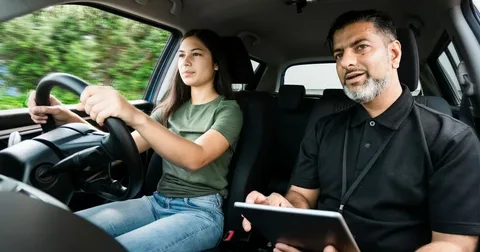
Common Challenges Learners Face and How to Overcome Them
Learning to drive can be demanding because several decisions often need to be made within a short period. Recognising common challenges early can help learners address them before they become established habits.
Managing Nervousness
Driving anxiety is common, particularly during the first lessons or when entering unfamiliar traffic conditions. Nervous learners may struggle to process instructions quickly or become overly focused on minor mistakes.
A gradual approach can help. Starting in quieter areas, repeating basic manoeuvres, and introducing more complex situations as confidence improves can make learning more manageable. Calm communication between the learner and instructor is also important.
Confidence should develop alongside competence. Feeling comfortable does not automatically mean a driver is ready for every road situation, so progress should be based on demonstrated ability.
Understanding Road Positioning
Correct road positioning helps drivers maintain space, communicate their intentions, and respond safely to hazards. Beginners sometimes drive too close to parked vehicles, position themselves incorrectly at junctions, or struggle to judge their distance from the kerb.
These problems can be addressed through observation, clear reference points, and repeated practice. Instructors can explain how road width, vehicle dimensions, and approaching traffic affect positioning.
Preparing for the Practical Test
Some learners become focused on passing the driving test rather than developing lasting driving skills. Although test preparation is important, safe driving requires more than remembering a particular route or manoeuvre.
Learners should become familiar with the practical test format, including independent driving, manoeuvres, and responding to road conditions. They should also understand the Highway Code and develop reliable observation habits.
Before booking a test, learners should discuss their readiness with their instructor and demonstrate that they can drive safely and independently across a range of situations.
How Technology and Modern Teaching Methods Support Learning
Driving education continues to evolve as vehicles, road systems, and learning resources change. Digital booking systems, online progress records, and theory-test practice tools can help learners organise their training and prepare more effectively.
Mobile applications can support revision of road signs, traffic rules, and hazard perception. However, these tools cannot replace practical experience or professional feedback.
Modern vehicles may also include parking sensors, reversing cameras, lane assistance, and other driver-support technologies. Learners should understand how these features work without becoming dependent on them. Drivers remain responsible for observing their surroundings, making safe decisions, and controlling the vehicle appropriately.
Another important consideration is the growing diversity of road users. Cyclists, motorcyclists, pedestrians, mobility-scooter users, and delivery vehicles all require careful attention. Developing awareness of vulnerable road users helps learners become more considerate and responsible drivers.
The most effective learning approach combines theoretical knowledge, practical instruction, regular feedback, and experience in varied traffic environments.
Read More:
Building Long-Term Confidence on Lancashire Roads
Passing the practical driving test is an important achievement, but it marks the beginning of independent driving rather than the end of learning. Newly qualified drivers continue to develop judgement as they encounter unfamiliar routes, changing weather, heavy traffic, and unexpected hazards.
Learners in Oswaldtwistle can prepare for this responsibility by building strong foundations during their lessons. These include maintaining safe following distances, avoiding distractions, understanding speed limits, checking blind spots, and recognising when conditions require extra caution.
It is also important to develop responsible attitudes towards mobile phone use, fatigue, alcohol, and other factors that can impair driving ability. Good drivers understand that arriving safely matters more than arriving quickly.
When comparing local instructors, consider qualifications, teaching style, lesson structure, vehicle suitability, and how progress is reviewed. A supportive learning environment should encourage questions, explain mistakes clearly, and adapt instruction to the learner’s individual needs.
Conclusion
Learning to drive requires patience, consistent practice, and a commitment to road safety. From mastering basic vehicle controls to navigating complex junctions and preparing for the practical test, each stage contributes to becoming a capable and responsible driver.
Choosing suitable driving lessons Oswaldtwistle can help learners build local road awareness while developing skills that transfer to unfamiliar journeys throughout Lancashire and beyond. By setting realistic goals, reviewing feedback, practising regularly, and prioritising safe decision-making, learners can work towards greater independence and long-term confidence behind the wheel.
About Us:
We are dedicated to your driving success
Contact Us;
Social Media: