Natural gemstone jewellery continues to attract attention among people who appreciate unique materials, timeless designs and accessories with interesting histories. From deep blue sapphires to vibrant green emeralds, gemstones offer a wide range of colours and characteristics. One gemstone that deserves particular attention is peridot, known for its distinctive olive-green colour and natural brilliance.
A Green Peridot 8mm Bracelet combines the beauty of this gemstone with the simplicity of a classic beaded jewellery design. Its fresh green appearance makes it suitable for everyday outfits, special occasions and thoughtful gifting. Beyond its visual appeal, peridot has a fascinating geological origin and a long history of use in jewellery across different cultures.
Understanding its properties, traditional associations, quality indicators and maintenance requirements can help jewellery enthusiasts make informed decisions when exploring natural gemstone accessories.
1. What Is Peridot? Understanding Its Natural Origins
Peridot is a gemstone-quality variety of the mineral olivine. Unlike many gemstones that occur in several colours, peridot is particularly recognised for its green shades, which range from yellowish-green to olive and deeper green tones.
Its colour comes primarily from iron within its mineral structure. The intensity and appearance of the green colour can vary depending on the composition of the individual gemstone.
Peridot has an interesting geological formation process. It develops under high-temperature conditions in the Earth’s mantle and can reach the surface through volcanic activity. Some rare specimens have also been discovered in meteorites, making the mineral especially interesting to geologists and gemstone enthusiasts.
Several characteristics make peridot distinctive:
- Colour: Usually yellowish-green, olive-green or vibrant green.
- Mineral family: Olivine.
- Composition: Magnesium iron silicate.
- Hardness: Approximately 6.5 to 7 on the Mohs hardness scale.
- Appearance: Often transparent to translucent, with an attractive vitreous lustre.
- Formation: Commonly associated with volcanic and mantle-related geological processes.
Peridot has historically been used in decorative objects, rings, necklaces and other jewellery pieces. Its recognisable green colour gives it an identity that differs from many other popular gemstones.
2. Why Green Peridot 8mm Bracelets Are Popular
The design of a gemstone bracelet influences both its appearance and practicality. An 8mm bead size provides a balanced combination of visibility, proportion and everyday comfort.
A Green Peridot 8mm Bracelet generally features polished round gemstone beads arranged in a continuous strand. Depending on the design, it may use natural peridot beads, an elastic cord or other fastening arrangements.
Several features contribute to the appeal of this style.
A naturally distinctive green colour
Green is often associated with nature, freshness and renewal. Peridot’s yellowish-green tones create a lively appearance that can complement neutral clothing, earthy colours and other gemstone accessories.
Unlike extremely dark gemstones, peridot offers a noticeable colour without necessarily appearing overly bold.
A versatile bead size
Eight-millimetre beads are popular in gemstone jewellery because they offer a visible presence while remaining relatively comfortable for everyday wear.
This size can suit:
- Casual everyday outfits.
- Minimalist jewellery collections.
- Layered gemstone bracelets.
- Nature-inspired fashion.
- Personalised jewellery gifts.
The overall appearance depends on the number of beads, wrist circumference, bead quality and polishing.
Easy styling possibilities
Peridot’s green colour can be combined with silver-toned accessories, neutral clothing and other natural gemstones.
For people who enjoy simple jewellery, a single strand creates an understated appearance. Those who prefer layered accessories can combine it with complementary bracelets.
3. The Meaning, Symbolism and Traditional Associations of Peridot
Gemstones have been associated with cultural traditions, symbolism and personal meaning for thousands of years. Peridot is no exception.
Historically, peridot has been valued for its green colour and decorative qualities. In different traditions, it has been associated with positive ideas such as renewal, prosperity, harmony and personal growth.
Today, many gemstone enthusiasts appreciate these associations when selecting jewellery.
Renewal and personal growth
Peridot’s fresh green appearance is often connected symbolically with nature, growth and new beginnings. Some people choose it as a reminder of personal development or positive changes in their lives.
Harmony and emotional balance
In contemporary crystal-belief traditions, peridot is sometimes associated with emotional harmony and positivity. People interested in gemstone symbolism may appreciate these meanings when wearing a peridot bracelet.
Prosperity and good fortune
Certain historical and spiritual traditions connect peridot with abundance and good fortune. These associations contribute to its popularity as a meaningful jewellery gift.
Connection with nature
Because of its green colour and mineral origins, peridot is frequently appreciated as a nature-inspired gemstone.
It is important to distinguish cultural symbolism from scientific evidence. There is no established scientific proof that wearing peridot directly attracts wealth, improves emotional health or produces specific physical benefits. Its appeal can instead be understood through its natural beauty, historical significance and personal meaning.
4. How to Choose a Quality Green Peridot Bracelet
Choosing gemstone jewellery requires attention to more than colour and design. Material authenticity, bead consistency, transparency and craftsmanship all influence the quality of a finished bracelet.
When exploring a Green Peridot 8mm Bracelet, consider the following factors.
Check the authenticity of the gemstones
Peridot is sometimes confused with other green gemstones or imitation materials. Green glass, synthetic materials and certain other minerals can resemble peridot in photographs.
Buyers should look for clear product descriptions that identify the gemstone correctly.
Useful details include:
- The gemstone’s name and mineral identity.
- Whether the material is natural or synthetic.
- Whether the stones have undergone treatments.
- The approximate bead diameter.
- Information about colour and clarity.
Natural peridot may contain small inclusions, internal features or slight colour variations. These characteristics are not necessarily defects; they can be part of the gemstone’s natural appearance.
Evaluate colour and clarity
Peridot is recognised for its green colour, but not every specimen has exactly the same shade.
When evaluating beads, consider:
- Consistency of colour throughout the strand.
- Transparency and visible inclusions.
- Overall polishing quality.
- The presence of cracks or noticeable damage.
- Whether the beads have an attractive finish.
A uniform appearance may be preferred for a traditional bracelet, although some jewellery enthusiasts appreciate the natural variation found in gemstone beads.
Examine bead finishing and construction
An attractive gemstone bracelet should have carefully polished beads with reasonably consistent dimensions.
For stretch designs, the elastic cord should also be durable and properly secured. A bracelet that is too tight may place unnecessary strain on the cord, while a loose fit can make it uncomfortable to wear.
Consider the retailer’s product information
Clear descriptions and transparent material information are important when purchasing natural gemstone jewellery online.
Retailers such as Elegant Natural Gems are relevant to this sector, where customers benefit from understanding gemstone identity, design characteristics and jewellery care before making a selection.
5. Styling Ideas and Everyday Uses for Peridot Jewellery
One reason green gemstone jewellery remains popular is its ability to complement different fashion styles. Peridot’s distinctive colour makes it suitable for both subtle accessories and more noticeable jewellery combinations.
Here are several practical styling ideas.
Casual everyday fashion
A peridot bracelet can add a fresh colour detail to simple outfits such as jeans, neutral shirts, casual dresses and lightweight jackets.
The green beads create a natural contrast without requiring elaborate styling.
Professional and smart-casual outfits
For professional settings, a single gemstone bracelet can provide a subtle finishing touch. Pairing peridot with neutral clothing, such as white, beige, grey or black, allows its colour to stand out naturally.
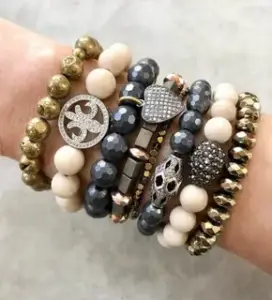
Layering with other gemstones
Peridot can be combined with several complementary gemstones depending on personal preference.
Popular combinations include:
- Clear quartz: Creates a light and neutral contrast.
- Rose quartz: Introduces a softer pink colour.
- Amethyst: Provides a contrast between green and purple.
- Black onyx: Adds depth and a darker visual element.
- Citrine: Creates a combination of green and golden-yellow tones.
When layering jewellery, consider bead sizes and overall proportions to maintain a balanced appearance.
Meaningful gifting
Green gemstone jewellery can make a thoughtful gift for birthdays, anniversaries and other personal occasions.
Peridot is also recognised as an August birthstone, making it a popular option for people born during that month.
Its natural colour and symbolic associations can make it particularly suitable for someone who appreciates gemstone jewellery.
Personal mindfulness routines
Some people choose to wear peridot jewellery during meditation, yoga or journaling because of its traditional associations with renewal and positivity.
For these individuals, the bracelet may serve as a personal reminder of their intentions and goals.
6. How to Clean and Maintain a Peridot Bracelet
Although peridot is suitable for jewellery, it requires proper care to maintain its appearance. With a Mohs hardness of approximately 6.5 to 7, it is reasonably durable but can still become scratched, chipped or damaged through careless handling.
A few simple habits can help protect it.
- Use a soft cleaning cloth: Gently wipe the beads to remove dust and everyday residue.
- Clean with mild soapy water when appropriate: Use lukewarm water and a small amount of mild soap, then rinse carefully and dry thoroughly.
- Avoid harsh chemicals: Keep peridot away from strong cleaning products, acids and abrasive substances.
- Protect it from impacts: Remove the bracelet before activities that may expose it to hard knocks or accidental damage.
- Store it separately: A soft pouch or lined jewellery box can help prevent scratches from harder gemstones and metal accessories.
- Avoid extreme temperature changes: Sudden temperature variations can place unnecessary stress on gemstones.
- Inspect the bracelet regularly: Check the beads, connections and elastic cord for signs of wear.
For stretch bracelets, avoid prolonged soaking because repeated moisture exposure may weaken the elastic cord over time.
Ultrasonic and steam cleaners are generally best avoided unless a qualified jewellery professional confirms that the particular stone and bracelet construction can safely withstand them.
Conclusion
A Green Peridot 8mm Bracelet offers an attractive combination of natural gemstone colour, classic bead design and everyday versatility. Its distinctive green appearance, geological background and traditional symbolism make it an interesting addition to a natural gemstone jewellery collection.
When selecting peridot jewellery, it is important to consider gemstone authenticity, colour consistency, bead finishing and overall construction. Understanding the stone’s natural properties and following suitable care practices can also help preserve its appearance.