Losing a tooth can feel frustrating. It may change the way you smile, chew, speak, and even how you feel in photos. Some people try to ignore a missing tooth, especially if it is in the back of the mouth. But over time, that empty space can create other problems.
Nearby teeth may start shifting. Chewing may feel uneven. Food may get stuck around the gap. You may also feel less confident when you talk or laugh.
That is why many people look for dental implants when they want a stable tooth replacement option. If you are searching for Dental Implants in Cudahy, WI, it helps to understand how implants work and what to expect before starting treatment.
What Is a Dental Implant?
A dental implant is a small post that replaces the root of a missing tooth. It is placed in the jawbone and later supports a crown, bridge, or denture. The FDA explains that the implant body is surgically placed into the jawbone where the tooth root used to be, and the abutment helps support the artificial tooth above it.
The visible part of the implant is usually the crown. This crown is made to match your nearby teeth in color, size, and shape. So, when the treatment is complete, the replacement tooth can blend with your smile.
A Tooth Implant is not removed like a denture. It is made to stay in place and support normal chewing after healing.
Why People Choose Dental Implants
People choose implants for different reasons. Some want to replace one missing tooth. Others want a stronger option for several missing teeth. Many patients like implants because they feel more stable than removable dentures.
A missing tooth can affect more than appearance. It can also change your bite. When a gap stays open for too long, nearby teeth may move toward that space. This can make cleaning harder and may affect how your teeth meet when you bite.
Implants can help fill the space and support better balance in the mouth. MouthHealthy, an American Dental Association patient resource, says many patients find dental implants secure and stable replacements for their own teeth.
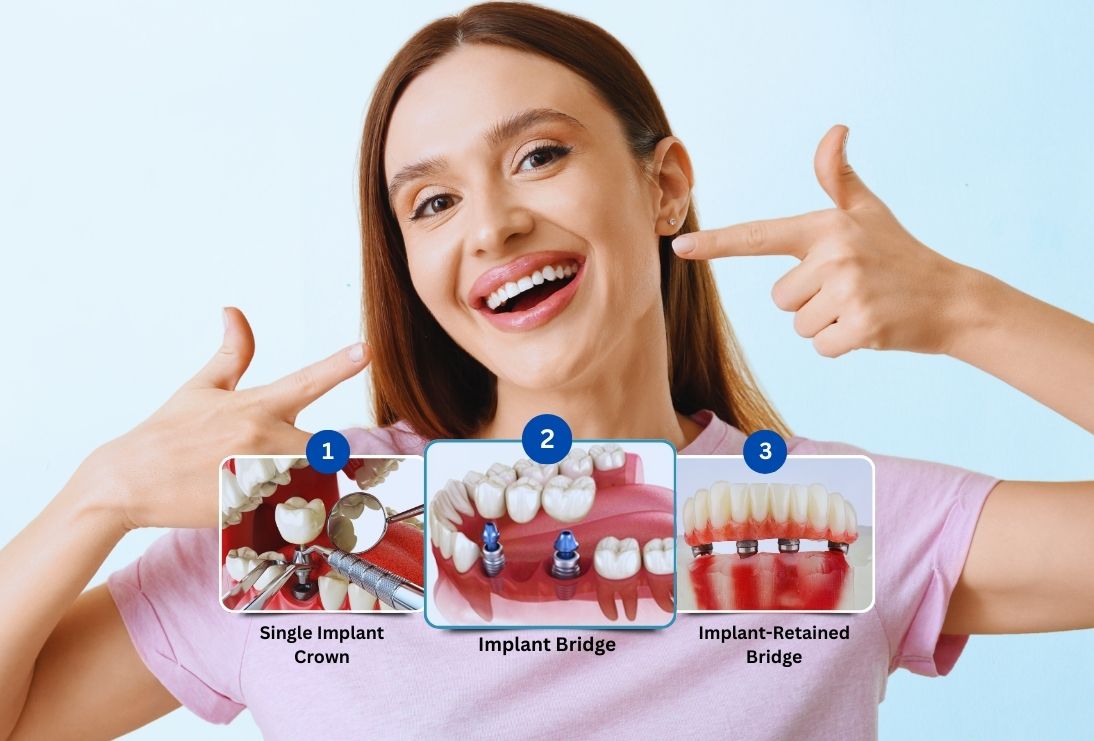
Single Tooth Implants for One Missing Tooth
If you are missing only one tooth, you may not need a large treatment plan. A single tooth implant may be enough to restore the gap.
A single implant usually includes three parts. The first part is the implant post. The second part is the connector, also called an abutment. The third part is the crown that looks like a natural tooth.
This option can be helpful because it replaces the missing tooth without using a removable appliance. It may also avoid placing extra pressure on nearby teeth. Your dentist will check your gums, bone, and bite before deciding if this option is right for you.
Who Can Get Dental Implants?
Not everyone is ready for implants right away. A dentist needs to check your mouth first. Healthy gums are important. Enough jawbone is also important because the implant needs support.
If bone has shrunk after tooth loss, your dentist may talk about bone grafting. This can help prepare the area for a future implant. If gum disease is present, that may need treatment before implant work begins.
Your health history matters too. Certain health conditions, smoking, or poor oral hygiene can affect healing. This does not always mean implants are not possible. It just means treatment needs careful planning.
A Dentist in Cudahy, WI can examine your mouth and explain whether implants fit your needs.
What Happens During the Implant Process?
The implant process usually begins with a consultation. During this visit, the dentist may take X-rays or digital scans. These images help check the jawbone and plan the placement.
If everything looks good, the implant is placed in the jawbone. After that, the area needs time to heal. During healing, the bone grows around the implant and helps hold it in place. Cleveland Clinic notes that implant placement can involve a few procedures and several months of healing, but after healing, the implant can be used like a natural tooth.
Once healing is complete, the dentist attaches the final crown or restoration. This step helps restore the look and function of the missing tooth.

How Implants Help With Chewing and Confidence
A missing tooth can make chewing feel awkward. You may avoid eating on one side. You may also stop eating certain foods because they feel uncomfortable.
Dental implants can help bring back stronger chewing support. Since they are fixed in place, they do not move around like removable dentures. This can make eating feel more natural again.
Implants can also help with confidence. If the missing tooth shows when you smile, replacing it can make a big difference. Many people feel more comfortable speaking, laughing, and taking photos after treatment.
Dental Implants Compared With Other Options
Dental implants are not the only way to replace missing teeth. Bridges and dentures are also common choices.
A bridge can replace a missing tooth by using nearby teeth for support. It may be a good option for some patients. Dentures can replace several missing teeth and may be removable. They may cost less at first, but they may not feel as fixed as implants.
Implants are often chosen by people who want a stable option. Still, the best choice depends on your mouth, budget, health, and comfort level. A dentist can explain the pros and cons of each option.
How to Care for Dental Implants
Dental implants need daily care, just like natural teeth. The implant crown cannot get a cavity, but the gums around it can still become irritated or infected.
Brush twice a day. Floss daily. Clean around the implant carefully. Keep regular dental checkups and cleanings. If you notice bleeding, swelling, pain, or looseness near the implant, call your dentist.
Good care helps protect the implant and the teeth around it. Skipping cleanings can lead to gum problems, which may affect implant health over time.
Cost and Treatment Planning
The cost of dental implants can vary from patient to patient. It depends on how many teeth are missing, bone health, gum health, scans, the type of crown, and whether extra treatment is needed.
For example, one implant for one missing tooth may have a different cost than replacing several teeth. A patient who needs bone grafting may also have a different plan.
Before starting treatment, ask for a clear estimate. Also ask what is included in the price. This can help you plan better and avoid confusion later.
Choosing Local Implant Care in Cudahy
Local care can make the implant process easier. Implant treatment may need several visits, so choosing a nearby office helps with follow-ups and checkups.
South Shore Dentistry & Implants helps patients understand tooth replacement options and choose treatment that fits their smile, health, and comfort.
If you live in Cudahy, WI, starting with a consultation can help you learn whether dental implants are a good choice for your missing tooth.
Final Thoughts
Dental implants can be a strong and natural-looking way to replace missing teeth. They can help with chewing, smile confidence, and long-term comfort.
Still, implants need proper planning. Your dentist should check your gums, jawbone, bite, and overall oral health before treatment begins.
If you have a missing tooth, do not ignore it for too long. A simple dental visit can help you understand your options and take the next step toward a healthier smile.
FAQs
Are dental implants good for missing teeth?
Yes, dental implants can be a good option for many missing teeth cases. They replace the tooth root and support a crown, bridge, or denture. Your dentist must check your gums and bone first.
How long does implant treatment usually take?
Dental implant treatment often takes several months because the implant needs time to heal with the jawbone. The exact time depends on your mouth, bone health, and whether extra treatment is needed.
Do dental implants feel like real teeth?
Dental implants are designed to feel stable and natural after healing. They do not move like removable dentures. With good care, many patients chew, speak, and smile comfortably with their implant.