The soap and personal care industry is entering a new phase of packaging innovation as consumers, retailers, and manufacturers pay closer attention to sustainability. In 2026 and 2027, packaging decisions are increasingly influenced by material efficiency, recyclability, product protection, and the overall customer experience. For businesses selling handmade soaps, liquid cleansers, and personal care products, packaging is no longer simply a container; it is an important part of product quality and environmental responsibility.
Across the UK, brands are exploring wholesale soap packaging boxes uk suppliers and packaging solutions that balance durability, visual appeal, and responsible material choices. Understanding current trends and practical design considerations can help businesses make informed decisions while reducing unnecessary packaging waste.

1. The Rise of Sustainable Soap Packaging in 2026/2027
Sustainability continues to influence packaging development across retail and e-commerce. Soap manufacturers are assessing paper-based materials, recycled cardboard, recyclable cartons, and designs that use fewer unnecessary components.
However, environmentally responsible packaging requires more than choosing a material labelled as green. Businesses should consider the complete packaging lifecycle, including material sourcing, manufacturing, transportation, product protection, and end-of-life disposal.
Important developments shaping the industry include:
- Recyclable materials: Paperboard and cardboard can offer practical options for packaging solid soap bars when designed appropriately.
- Material reduction: Lightweight boxes and simplified inserts can reduce material consumption without compromising protection.
- Responsible sourcing: Businesses can investigate recycled content and independently verified sustainable forestry certifications.
- Clear disposal information: Simple recycling instructions help customers understand how to dispose of packaging correctly.
These considerations are particularly relevant for independent soap makers and established personal care brands seeking packaging that supports sustainability goals while maintaining consistent product presentation.
2. Choosing Eco-Friendly Packaging for Liquid Soap Products
Liquid soap presents different packaging challenges from traditional soap bars. Moisture exposure, leakage risks, bottle weight, and transportation conditions all influence packaging requirements. Consequently, eco friendly liquid soap packaging should be developed around the product’s physical characteristics rather than appearance alone.
Cardboard cartons can provide an additional protective layer around liquid soap bottles, refill containers, and premium skincare products. Depending on the application, internal supports may help prevent movement during shipping, while appropriately selected board grades can improve structural stability.
When evaluating eco friendly packaging for liquid soap, businesses should consider the following factors:
- Bottle dimensions: Measure the container, cap, pump, and any protruding components before finalising the box design.
- Leakage protection: Ensure the primary bottle or container provides a suitable liquid barrier. An outer cardboard carton should not be treated as a substitute for a leak-resistant container.
- Structural strength: Select board thickness and box construction according to product weight, handling conditions, and distribution requirements.
- Moisture resistance: Assess whether coatings or protective treatments are necessary, while considering how they affect recycling.
- Shipping performance: Test packaging under realistic handling and transportation conditions before placing large production orders.
For refill products and concentrated liquid soaps, compact cartons can also support more efficient storage and transport. The most suitable design depends on the product format, delivery method, and intended customer experience.
3. Practical Approaches to Soap Packaging Eco-Friendly Design
A successful soap packaging eco friendly strategy combines material selection, functional design, and accurate environmental claims. Brands should avoid assuming that every paper-based package is automatically sustainable. The source of the material, the manufacturing process, the amount used, and local recycling facilities all matter.
For solid soap bars, uncoated paperboard and recyclable cardboard cartons may provide suitable alternatives to excessive plastic wrapping. Packaging can also incorporate minimal printing, water-based inks where appropriate, and carefully planned layouts that reduce production waste.
Businesses developing eco-friendly soap packaging should pay particular attention to three areas.
First, right-size the packaging. Oversized boxes increase material consumption and may require additional void fill during delivery. A well-fitted carton can improve presentation while helping reduce unnecessary space.
Second, assess printing requirements. A clear brand identity does not necessarily require extensive finishes or multiple material layers. Simple typography, restrained colours, and informative product descriptions can create an attractive appearance without unnecessary complexity.
Third, verify environmental claims. Terms such as recyclable, biodegradable, and compostable have different meanings and should only be used when supported by relevant evidence and appropriate disposal conditions. UK businesses should also consider applicable consumer protection rules when communicating environmental benefits.

4. Small Soap Boxes: Balancing Protection, Branding, and Cost
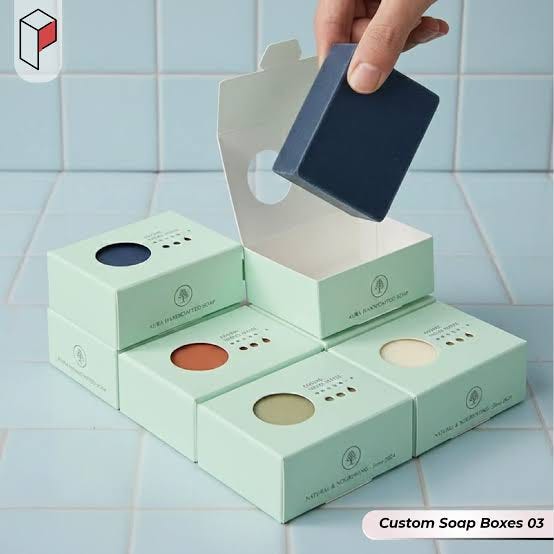
Smaller packaging formats are especially useful for artisan soap producers, gift sets, hospitality suppliers, subscription services, and retailers offering travel-sized products. Well-designed small boxes for soap packaging can protect individual bars while giving brands a consistent and professional presentation.
Compact packaging can offer several practical benefits:
- Reduced material use when dimensions are accurately matched to the product.
- Easier storage for manufacturers and retailers with limited space.
- Convenient presentation for samples, promotional bundles, and gift collections.
- More efficient organisation of products during fulfilment and distribution.
Nevertheless, small boxes must remain strong enough to protect soap from crushing, abrasion, and handling damage. Businesses should test prototypes using their actual products rather than relying exclusively on digital mock-ups.
For e-commerce orders, individual soap cartons may also need to work alongside a larger shipping box. Combining appropriate product packaging with correctly sized outer packaging can help minimise movement and reduce the need for excessive protective materials.
UK businesses exploring packaging specifications can review specialist providers such as The Quantum Print, including its information on wholesale eco-friendly soap packaging and liquid boxes, when researching potential packaging formats.

5. Preparing Soap Packaging Strategies for 2027
Looking towards 2027, soap brands can benefit from treating packaging as an ongoing operational decision rather than a one-time design project. Customer expectations, material availability, recycling infrastructure, and regulatory requirements can change, making periodic reviews valuable.
A practical evaluation checklist includes:
- Review the current packaging’s material composition and recyclability.
- Compare alternative board grades and box structures through physical samples.
- Test packaging for product protection, moisture exposure, and delivery conditions.
- Check supplier specifications, minimum order quantities, and production consistency.
- Ensure sustainability claims are specific, accurate, and supported by evidence.
- Monitor customer feedback about packaging convenience and disposal.
For growing businesses, ordering wholesale soap packaging boxes uk suppliers can provide may help maintain consistent packaging across larger product ranges. However, the right purchasing decision should account for storage capacity, demand forecasting, print requirements, and the risk of holding excessive inventory.

Conclusion
The future of soap packaging in the UK will depend on combining sustainability with practical performance. Recyclable materials, efficient box dimensions, reliable product protection, and transparent environmental communication are all important considerations for 2026 and 2027.
Whether a business produces handmade soap bars, premium liquid cleansers, or refill products, thoughtful packaging decisions can improve presentation and reduce avoidable waste. By testing materials, verifying environmental claims, and choosing designs suited to real distribution conditions, brands can develop packaging strategies that meet customer expectations while supporting more responsible resource use.
Contact Us : https://www.thequantumprint.com/contact-us/
About Us : https://www.thequantumprint.com/about-us/
Website Link : https://www.thequantumprint.com/
Read More :