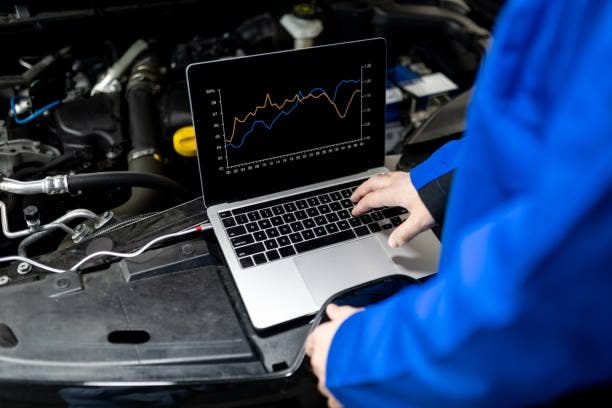
Modern vehicles are equipped with advanced electronic systems that monitor engine performance, emissions, braking, steering, and other essential components. While these technologies improve reliability and safety, they also make vehicle maintenance more complex than ever before. A car diagnostic test has become an essential part of identifying issues quickly and accurately before they develop into expensive repairs.
Whether you’re preparing for a long journey, noticing an unusual dashboard warning light, or scheduling routine servicing, understanding the value of professional vehicle diagnostics can help extend your car’s lifespan while reducing maintenance costs. Across the car diagnostic test UK market, more motorists are choosing preventative diagnostics to keep their vehicles operating efficiently.
Understanding How a Car Diagnostic Test Works
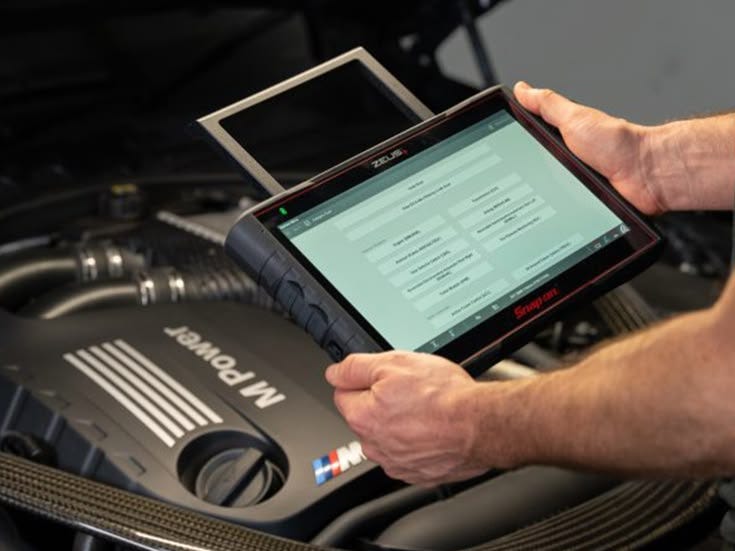
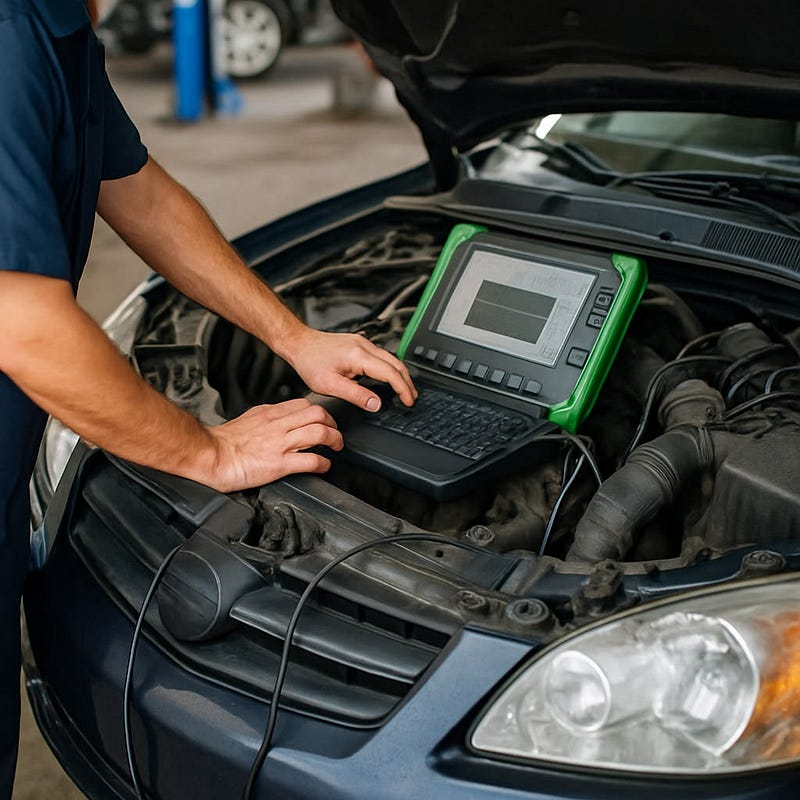
A car diagnostic test uses specialised diagnostic equipment that connects directly to a vehicle’s onboard computer system through the OBD (On-Board Diagnostics) port. Modern vehicles constantly monitor hundreds of sensors that collect information about engine performance, fuel efficiency, emissions, electrical systems, transmission behaviour, and safety features.
When the system detects abnormal readings, it stores diagnostic trouble codes (DTCs). A technician interprets these codes alongside live vehicle data to determine the root cause of a problem rather than simply replacing parts based on guesswork.
Typical systems checked during diagnostics include:
- Engine management system
- Fuel injection system
- Transmission control
- ABS braking system
- Airbag system
- Battery charging system
- Emissions control
- Cooling system
- Electronic steering
- Sensor performance
This approach provides accurate information that supports efficient repairs and preventative maintenance.
Why Preventative Diagnostics Save Time and Money
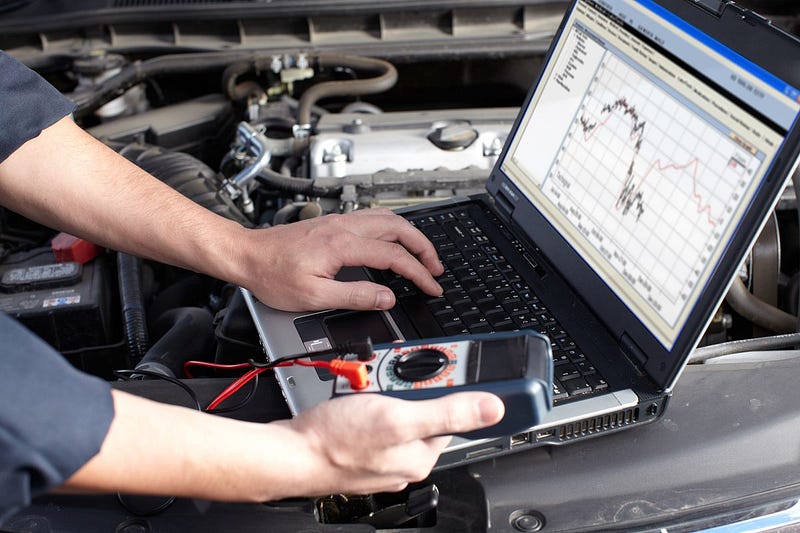
Many vehicle faults begin with small electronic irregularities that drivers may not notice immediately. Waiting until symptoms become severe can often lead to larger repair bills.
Routine diagnostic testing helps identify problems such as:
- Misfiring engines
- Faulty oxygen sensors
- Weak batteries
- Fuel system issues
- Ignition coil failures
- Sensor malfunctions
- Emission system faults
- Turbocharger performance issues
Early detection allows technicians to resolve issues before they affect other vehicle components. For example, replacing a failing sensor early may prevent unnecessary strain on the engine or catalytic converter.
This preventative approach has become increasingly common throughout the car diagnostic test UK sector as vehicles rely more heavily on electronic control systems.
Common Signs Your Vehicle Needs Diagnostics
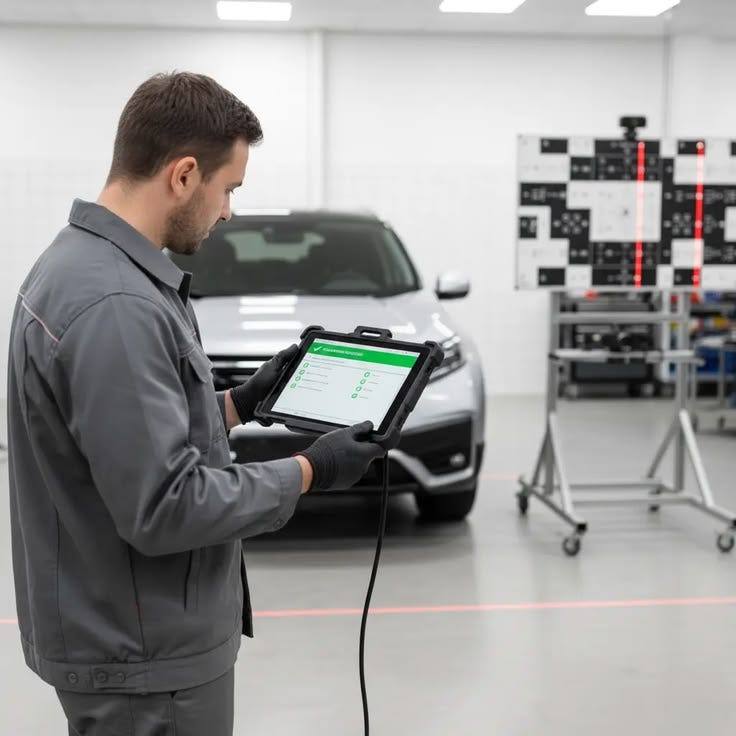
Many drivers wait until a warning light appears before arranging an inspection. However, several other symptoms may indicate hidden mechanical or electronic faults.
These include:
- Engine warning light illuminated
- Reduced fuel economy
- Rough engine idling
- Slow acceleration
- Difficulty starting
- Unexpected loss of power
- Excessive exhaust smoke
- Unusual engine noises
- Transmission shifting problems
- Electrical faults
Even if these symptoms appear minor, professional diagnostics can often identify the underlying cause before the issue becomes more serious.
Searching for a car diagnostic test Near Me is often the first step drivers take when these warning signs appear, helping them locate qualified technicians equipped with modern diagnostic tools.
Technology Is Transforming Vehicle Diagnostics
Vehicle technology continues to evolve rapidly. Hybrid vehicles, electric vehicles, advanced driver assistance systems (ADAS), and connected vehicle technology all require increasingly sophisticated diagnostic equipment.
Modern workshops now use advanced software capable of:
- Reading manufacturer-specific fault codes
- Monitoring live sensor data
- Performing software updates
- Resetting service intervals
- Calibrating electronic systems
- Testing battery health
- Analysing emissions performance
Artificial intelligence and predictive maintenance technologies are also beginning to influence the automotive repair industry, allowing technicians to identify developing faults before complete failures occur.
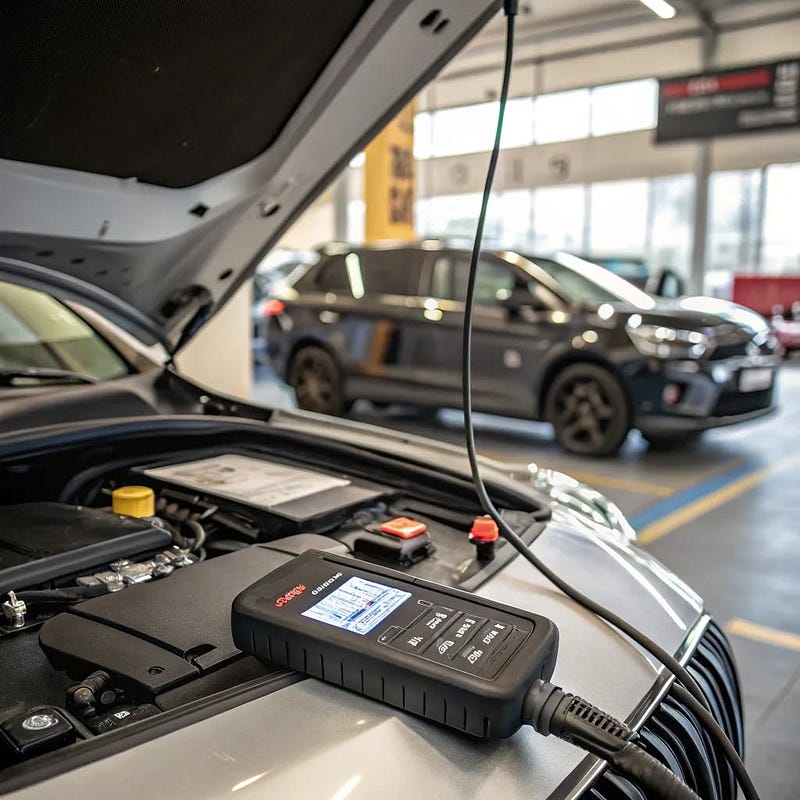
As vehicles become more software-driven, professional diagnostics are becoming an essential part of routine servicing rather than simply a repair tool.
Choosing a Reliable Diagnostic Service
Not every diagnostic inspection provides the same level of detail. Quality diagnostics involve more than simply reading fault codes.
When selecting a workshop, motorists should consider:
- Experienced diagnostic technicians
- Up-to-date diagnostic equipment
- Manufacturer-compatible software
- Transparent reporting
- Clear explanation of findings
- Systematic fault investigation
- Professional servicing standards
For drivers seeking car diagnostic Trowbridge services, experienced garages such as S&M Auto Service demonstrate how modern diagnostic equipment can support accurate vehicle assessments while helping identify faults efficiently as part of broader vehicle maintenance.
A professional diagnostic report should explain not only what fault codes exist but also what they mean, whether repairs are immediately necessary, and which maintenance actions should be prioritised.
Diagnostics Support MOT Preparation and Vehicle Reliability
Many faults that trigger warning lights can eventually contribute to MOT failures if left unresolved. Diagnostic testing before an MOT inspection allows potential issues to be identified early.
Examples include:
- Emissions-related faults
- Engine management problems
- ABS warning lights
- Airbag warning indicators
- Battery charging faults
- Sensor failures
By addressing these problems in advance, vehicle owners may reduce the likelihood of unexpected MOT failures while improving overall reliability.
Regular diagnostics also support:
- Better fuel efficiency
- Lower emissions
- Improved engine performance
- Reduced repair costs
- Increased vehicle lifespan
- Greater driving confidence
These benefits make diagnostic testing valuable for both private motorists and fleet operators.
The Future of Vehicle Maintenance
The automotive industry is moving toward connected vehicles capable of transmitting performance data remotely. Predictive maintenance, cloud-based diagnostics, and over-the-air software updates are becoming increasingly common among newer vehicle models.
Despite these innovations, skilled technicians remain essential for interpreting diagnostic information accurately and recommending appropriate repairs. Technology provides valuable data, but professional expertise ensures that the correct maintenance decisions are made.
Workshops investing in modern diagnostic equipment and continuous technician training are well positioned to support the growing complexity of today’s vehicles. Businesses such as S&M Auto Service reflect this shift by incorporating advanced diagnostic capabilities into routine servicing and repair processes.
Conclusion
A car diagnostic test has become one of the most valuable tools in modern vehicle maintenance. Rather than waiting for serious mechanical failures, motorists can use diagnostics to identify developing problems, improve fuel efficiency, reduce repair costs, and maintain overall vehicle reliability.
As vehicle technology continues to evolve, professional diagnostics will play an even greater role in preventative maintenance across the United Kingdom. Whether preparing for an MOT, investigating a warning light, or simply maintaining your vehicle’s long-term health, accurate diagnostics provide the information needed to make informed maintenance decisions and keep your vehicle performing safely and efficiently.