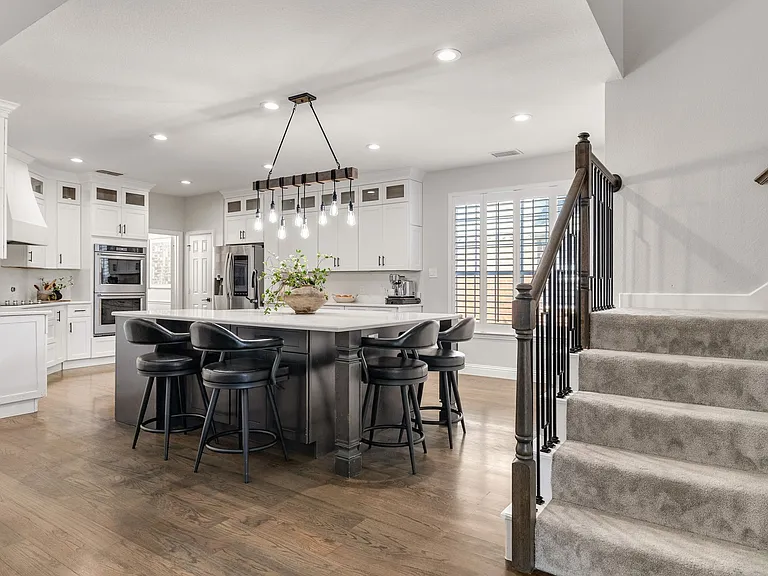
A full home renovation is an exciting opportunity to improve the comfort, functionality, and value of your property. Whether you are updating an older home, redesigning your layout, or modernizing multiple rooms, one of the first questions most homeowners ask is, “How long will the renovation take?”
The answer depends on several factors, including the size of the home, the scope of the project, the availability of materials, and the complexity of the work. Every renovation follows a series of planned stages, and understanding each phase can help you set realistic expectations before construction begins.
While every project is unique, having a general timeline makes it easier to plan your budget, temporary living arrangements, and daily routine. Working with an experienced renovation contractor also helps keep the project organized and moving forward as efficiently as possible.
What Is the Typical Timeline for a Full Home Renovation?
The Planning and Design Phase
Every successful renovation begins with careful planning. Before any construction starts, homeowners and contractors work together to define the project goals, establish a budget, and create a design that fits the home’s layout and the owner’s lifestyle. Choosing Expert Home Renovation Services in Flower Mound, TX helps ensure every stage of the project is planned efficiently, resulting in a functional, attractive, and well-executed renovation.
During this stage, you may:
- Discuss renovation priorities
- Create a project budget
- Choose design styles
- Select building materials
- Review floor plan changes
If structural modifications are involved, architectural drawings or engineering plans may also be required. Taking the time to plan carefully can reduce unexpected changes later in the project.
The planning stage is also when homeowners begin choosing finishes such as flooring, cabinetry, countertops, lighting fixtures, paint colors, and appliances. Making these selections early helps reduce delays once construction begins.
Permits and Project Preparation
Many full home renovations require permits before work can begin. Permit requirements vary depending on the type of renovation and local building regulations.
Projects that commonly require permits include:
- Structural modifications
- Electrical upgrades
- Plumbing changes
- HVAC improvements
- Room additions
Permit approval timelines can vary, so it is important to include this step when estimating the overall renovation schedule.
Once permits are approved, contractors prepare the property by protecting existing surfaces, delivering materials, and organizing equipment. This preparation helps create a safer and more efficient work environment.
Demolition and Structural Work
After planning is complete, construction usually begins with demolition. Existing cabinets, flooring, drywall, fixtures, and other outdated materials may be removed to prepare the home for renovation.
The amount of demolition depends on the project. Some renovations involve updating finishes only, while others include major structural changes.
Structural work may involve:
- Removing interior walls
- Framing new rooms
- Repairing damaged structures
- Reinforcing support systems
- Modifying layouts
This phase creates the foundation for the remaining renovation work and must be completed carefully before new installations begin.
What Can Affect the Renovation Schedule?
Mechanical, Electrical, and Plumbing Updates
After structural work is completed, contractors typically install or update important systems inside the home.
This stage may include:
- Electrical wiring
- Plumbing installation
- HVAC improvements
- Ventilation upgrades
- Smart home wiring
These systems are usually inspected before walls are closed to ensure they meet local building requirements.
If older homes require extensive system upgrades, this phase may take longer than expected. Unexpected discoveries behind walls, such as outdated wiring or plumbing issues, can also affect the schedule. Working with providers of Expert Home Additions in Flower Mound, TX helps ensure these challenges are addressed efficiently while keeping your renovation or addition project on track.
Planning for these possibilities helps homeowners understand that some adjustments are a normal part of larger renovation projects.
Interior Installation and Finishing Work
Once inspections are complete, the renovation begins to take shape. Contractors install drywall, flooring, cabinets, trim, doors, and other interior features that define the finished appearance of the home.
Common installations include:
- Kitchen cabinets
- Bathroom vanities
- Flooring
- Interior doors
- Lighting fixtures
- Countertops
- Paint and trim
Because many finishes depend on previous work being completed, careful scheduling is important. For example, flooring may need to be installed before trim, while countertops often follow cabinet installation.
Material availability can also affect this stage. Ordering products early during the planning phase helps reduce delays caused by shipping or manufacturing schedules.
Final Details and Project Completion
As construction nears completion, contractors focus on the final details that prepare the home for occupancy.
These tasks often include:
- Installing hardware
- Adjusting doors
- Final painting touch-ups
- Cleaning the work area
- Completing punch list items
A final walkthrough allows homeowners to review the completed work with the contractor. Any remaining adjustments are identified and completed before the project is officially finished.
This final stage ensures that every part of the renovation meets the agreed-upon project standards.
How Can Homeowners Help Keep a Renovation on Schedule?
Make Design Decisions Early
One of the most effective ways to keep a renovation moving smoothly is to make important decisions before construction begins.
Choosing finishes, fixtures, and materials early helps contractors schedule installations without waiting for product selections.
Items that should be selected in advance include:
- Flooring
- Cabinets
- Countertops
- Appliances
- Plumbing fixtures
- Lighting
- Paint colors
Changing these selections after construction starts may require additional work and could extend the overall project timeline.
Maintain Clear Communication Throughout the Project
Regular communication between homeowners and contractors helps prevent misunderstandings and keeps everyone informed about project progress.
Helpful communication practices include:
- Asking questions when needed
- Reviewing progress regularly
- Confirming design changes before approval
- Discussing scheduling updates
Open communication allows small concerns to be addressed before they become larger issues.
Working together also helps create realistic expectations if unexpected conditions arise during construction.
Prepare for Unexpected Delays
Even the most carefully planned renovation can experience minor delays. Weather conditions, material availability, permit processing, and hidden structural issues may affect the schedule.
Rather than expecting every project to follow an exact timeline, it is helpful to allow some flexibility during the renovation process.
Being prepared for adjustments reduces stress and allows contractors to complete the work without rushing important stages.
Focusing on quality workmanship instead of speed often produces better long-term results for your home.
Frequently Asked Questions
How long does a full home renovation usually take?
The timeline depends on the size of the home and the scope of the project. Renovations involving multiple rooms, structural changes, and system upgrades generally take longer than cosmetic updates.
What stage of a renovation usually takes the most time?
Interior installation and finishing work often require the most coordination because multiple trades work together while materials are installed in a specific order.
Can permit approvals delay a renovation?
Yes. Some renovation projects require permits before construction begins, and approval times can vary depending on the type of work and local requirements.
How can homeowners help keep a renovation on schedule?
Planning ahead, selecting materials early, maintaining good communication with the contractor, and responding quickly to project decisions can help reduce delays.
Is it normal for renovation timelines to change?
Yes. Unexpected conditions such as hidden structural issues, material shortages, or weather can affect the schedule. Building some flexibility into the timeline helps manage these situations more effectively.
Conclusion
A full home renovation is a significant investment that requires careful planning, organized scheduling, and realistic expectations. Understanding each stage of the process, from design and permits to construction and final inspections, helps homeowners feel more confident throughout the project.
Although every renovation timeline is different, preparing in advance, making decisions early, and maintaining open communication with your contractor can help the project move forward more efficiently. Focusing on quality workmanship rather than rushing the process often leads to better long-term results.
Space Construction Inc works with homeowners to manage every stage of the renovation process, providing professional guidance and dependable craftsmanship to help transform homes into functional and comfortable living spaces.