Introduction
Tattoos are often chosen as a form of personal expression, creativity, and individuality. However, preferences can change over time, and some people may decide that a particular tattoo no longer reflects their personality or lifestyle. With advancements in aesthetic technology, several approaches are available for addressing unwanted tattoos. Among these options, Laser tattoo removal in Abu Dhabi has become a recognised treatment approach because it uses targeted light energy to break down tattoo ink beneath the skin. Unlike methods that focus on removing or altering the surface of the skin, laser technology works by targeting the pigment particles while preserving the surrounding skin as much as possible. This distinctive approach makes it an important option for individuals seeking gradual tattoo fading or removal.
Understanding Laser Tattoo Removal
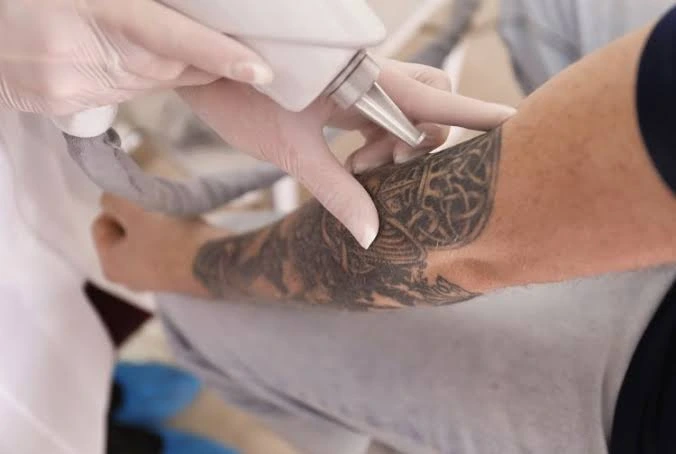
Laser tattoo removal is a technology-based procedure designed to reduce the appearance of unwanted tattoos. It uses specialised laser energy that targets the ink pigments deposited within the skin. When the laser energy reaches the tattoo, it interacts with the pigment and breaks it into smaller particles. These smaller particles can then be gradually processed and eliminated through the body’s natural biological processes.
The procedure focuses on the tattoo pigment rather than removing the entire surface layer of skin. This makes it different from traditional approaches that involve physically removing or altering tattooed tissue. The treatment is generally performed through a series of sessions because tattoo ink is deposited at different depths and contains pigments that respond differently to laser energy.
How Is Laser Tattoo Removal Different from Traditional Methods?
One of the main differences between laser tattoo removal and traditional methods is the way each approach addresses tattoo ink. Some older techniques involve removing tattooed skin through physical procedures. These approaches directly affect the skin containing the tattoo rather than selectively targeting the ink particles.
Laser technology follows a different process by delivering controlled energy to the pigment. Instead of cutting away tattooed tissue, the laser breaks the ink into smaller fragments. This approach allows the body to gradually process the fragmented pigment.
Another important distinction is the treatment process. Traditional removal methods may involve a more direct alteration of the skin, whereas laser treatment focuses on progressive pigment reduction. The choice between different approaches depends on the tattoo’s characteristics, individual skin requirements, and desired outcome.
The Role of Advanced Laser Technology
Modern laser systems are designed to target tattoo pigments with greater precision. Different wavelengths can interact with different ink colours, making laser technology adaptable to various tattoo characteristics. The selection of an appropriate laser approach depends on the colours, depth, and density of the tattoo.
Some laser technologies use very short pulses of energy to break pigment into smaller particles. This process is particularly relevant when addressing complex tattoo designs containing multiple colours. The ability to adjust treatment settings according to pigment characteristics makes laser removal different from approaches that do not selectively target individual ink colours.
Technological developments have also improved the ability to customise treatment according to the tattoo being addressed. This personalised approach helps create a treatment plan that considers the unique features of each design.
Why Does Laser Tattoo Removal Require Multiple Sessions?
Laser tattoo removal is generally completed over multiple sessions rather than a single appointment. This is because tattoo ink particles are located beneath the skin and cannot always be broken down sufficiently in one treatment.
During each session, laser energy targets the visible pigment and breaks it into smaller fragments. The body’s natural processes then gradually remove these particles. Allowing sufficient time between sessions gives the skin an opportunity to recover and the body time to process the fragmented ink.
The number of sessions varies according to several factors, including tattoo size, ink colour, pigment depth, ink density, and the age of the tattoo. Professional assessment helps determine an appropriate treatment schedule based on these characteristics.
How Does Laser Technology Target Different Ink Colours?
Tattoo ink comes in various colours, and each pigment responds differently to laser wavelengths. Dark colours, such as black and dark blue, generally absorb certain laser wavelengths more effectively. Other colours, including green, red, and yellow, may require different laser settings or wavelengths.
This ability to target different pigments is one of the distinguishing features of laser tattoo removal. Rather than treating every tattoo colour in the same way, the technology can be selected and adjusted according to the ink composition.
Multicoloured tattoos may require a more individualised approach because each colour can respond differently. Understanding the relationship between laser wavelengths and tattoo pigments helps create a treatment strategy suited to the specific design.
The Importance of Skin Type and Tattoo Characteristics
Every tattoo is different, and its characteristics influence the treatment approach. Skin type, tattoo location, pigment depth, and ink composition are important considerations when planning laser tattoo removal.
A tattoo with dense pigmentation may require a different approach from a lighter design. Similarly, professional tattoos can contain more concentrated ink than some amateur tattoos. The location of the tattoo can also influence how the treatment is planned.
Skin characteristics are equally important because laser settings need to be selected carefully according to individual requirements. An assessment helps identify suitable treatment parameters and establish realistic expectations regarding the removal process.
Laser Tattoo Removal Compared with Other Removal Approaches
Laser tattoo removal stands apart from other approaches because it works directly on tattoo pigment without intentionally cutting away the tattooed skin. Other methods may involve physical removal, resurfacing, or procedures that alter the tissue containing the ink.
The selective nature of laser technology makes it suitable for people who want to address unwanted pigmentation through a gradual process. It also offers flexibility when treating tattoos of different sizes, colours, and designs.
Another distinguishing feature is the ability to customise treatment settings. Laser technology can be adapted to the characteristics of individual tattoos, while some traditional approaches offer less flexibility in targeting specific ink pigments.
The most appropriate method depends on the tattoo, skin characteristics, and personal expectations. A professional evaluation helps establish which approach is suitable for a particular situation.
What Results Can Individuals Expect?
The results of laser tattoo removal depend on the tattoo’s individual characteristics and the technology used. Some tattoos may fade considerably over several sessions, while others may require a longer treatment plan.
Ink colour, pigment density, tattoo age, and depth can all influence the overall response. It is important to understand that complete removal is not guaranteed in every case. Some tattoos may retain faint traces of pigment even after multiple sessions.
Gradual fading is an important part of the process. Each treatment contributes to reducing the visible concentration of ink, allowing the tattoo to become less noticeable over time.
Why Is Professional Assessment Important?
Professional assessment plays an essential role in determining the suitability of laser tattoo removal. An evaluation allows the treatment provider to examine the tattoo’s size, colours, location, and pigment depth.
Skin characteristics are also considered when selecting appropriate laser settings. This helps ensure that the treatment approach is based on individual requirements rather than applying identical settings to every tattoo.
During the assessment, individuals can discuss their expectations, understand the treatment process, and receive information about the anticipated number of sessions. Clear communication helps establish realistic goals and supports informed decisions.
Conclusion
Laser tattoo removal is different from other tattoo removal methods because it uses targeted light energy to break down unwanted ink pigments rather than physically removing tattooed skin. Its ability to address different ink colours, adapt treatment settings, and gradually reduce pigmentation makes it a distinctive approach to unwanted tattoo removal. Factors such as skin type, tattoo age, ink density, and pigment depth influence the treatment process and expected results. Understanding these differences helps individuals make informed decisions and develop realistic expectations about their tattoo removal journey.
Frequently Asked Questions
What makes laser tattoo removal different from other methods?
Laser tattoo removal uses targeted light energy to break tattoo ink into smaller particles. Unlike methods that physically remove tattooed skin, it focuses on the pigment beneath the skin.
Can laser tattoo removal address different tattoo colours?
Yes, different laser wavelengths can target various ink colours. The appropriate technology depends on the pigments present in the tattoo.
How many sessions are needed for laser tattoo removal?
The number of sessions varies according to tattoo size, colour, age, ink density, and pigment depth. Multiple appointments are generally required to achieve gradual fading.
Is laser tattoo removal suitable for old tattoos?
Laser technology can be used to address both older and newer tattoos. However, the response depends on the ink composition, pigment depth, and other individual characteristics.
Does laser tattoo removal work on professional tattoos?
Yes, professional tattoos can be treated with laser technology. Their ink density and pigment composition are considered when planning the treatment.
Can all tattoo colours be removed completely?
Different colours respond differently to laser energy. While many pigments can be reduced significantly, complete removal cannot be guaranteed for every tattoo.
Why is there a gap between laser tattoo removal sessions?
Time between sessions allows the body’s natural processes to gradually eliminate fragmented ink particles and gives the skin time to recover.
Does tattoo size affect the removal process?
Yes, tattoo size is an important consideration. Larger designs may require more treatment time and sessions than smaller tattoos.
Can laser tattoo removal treat multicoloured tattoos?
Yes, laser treatment can address multicoloured tattoos using suitable wavelengths and settings for different pigments.
Why is an individual assessment necessary before treatment?
An assessment helps evaluate tattoo characteristics and skin type so that an appropriate treatment approach and realistic expectations can be established.